In a given week one might go from a cool evening on the coast to a tropical downpour of some humidity. The way to be safe is to put in place a plan for the region and season at hand and then, before you set off, see what the forecast has to say by way of warnings, fire conditions and any event directives.
Having made the move from Portugal to Perth I have found that the weather here does not care much for your itinerary; I am Isadora Fletcher. An afternoon can get up and become gusty after a fine morning and a “mild” day will still present you with harsh sun or a trek across an open paddock in the stickiest of humidity. We have put together this guide to the 2026 seasons and weather for Australian outdoor festivals so you know what to pack, how to make travel arrangements and the things that tend to catch people out.
Dealing With The Weather In Australia

Europe and North America are not the only reference points for seasons in the Southern Hemisphere. You will find summer from December through February, autumn March to May, winter June to August and spring in the final three months of the year.
But do not let those generalities stand in for the whole of the country. Conditions in Sydney, Melbourne or Adelaide could be worlds apart from Queensland, the Red Centre or northern Australia on any one day. Go to the Bureau of Meteorology for the most reliable local climate data and forecasts.
Averages Are Not Forecasts
You can use seasonal averages to pick your accommodation and clothes but they will not inform you if the ground at the festival is going to be dusty, muddy or smoky. Make it a point to look at the forecast 48 hours before you leave and again come the morning of the event.
Do not be guided by the headline figure. There is more to your comfort than the daytime maximum; consider the UV, the wind, overnight temperatures and any thunderstorm or fire danger. A 28°C day on the coast is nothing compared to being inland with no shade in 24°C heat.
Australia’s Seasons And The 2026 Festival Calendar
The 2026 festival season will run the gamut of all four seasons, with the bulk of outdoor events tending to be when the rain is not so intrusive and the temperatures are reasonable. Should the weather pose a risk to safety, expect the organisers to put entry conditions in place or even change the schedule and stages.
Treat the calendar below as something to work from, not a guarantee. The time of day, the terrain and local climate will have their effect.
| Season | Months | Typical planning conditions | What to prepare for |
|---|---|---|---|
| Summer | December to February | Hot in many a region, wet and humid in the north | Limited shade, bushfire risk, storms and the like |
| Autumn | March to May | Milder in the southern cities for the most part, though it can stay warm inland | Wind and rain in the transition, cooler evenings |
| Winter | June to August | Dry and agreeable in the north, cool nights in the south | Wet fronts in the south, short days and cold once the sun goes down |
| Spring | September to November | Temperatures on the rise with more storm activity | Pollen, gusts and the odd sudden heat |
Before you commit to non-refundable travel consult the Bureau of Meteorology for some official context on the regional climate, although the daily warnings should be your deciding factor.
Heat Plans For Summer
Between December and February you may be treated to long days and a good evening programme at an Australian summer festival but the heat and fire conditions can be of a serious nature. An outdoor venue with scant shade will be hotter than the numbers indicate.
Parts of New South Wales, Victoria and South Australia will see dry grass and total fire bans along with the heat. Over in the Top End and Queensland you can count on slippery ground and the odd tropical storm.
Things People Overlook
Water and shade are often an afterthought to sunscreen. Then there is the walk back to the car; a track that is advertised as close to the parking can be a sweaty half hour affair when it is hot and you are lugging a backpack.
See if the rules allow portable chairs, umbrellas or refillable bottles. If there is a fire ban in force you will not be able to have candles or cooking gear of a certain kind. It is better to abide by the organiser’s current instructions than to assume last year’s rules hold.
Logistics for the Summer Traveller
When it comes to city events, public transport is generally the way to go to avoid stress. One should not be put off by the prospect of a full service after the last act; just make sure to have some battery life in reserve for any updates and pick a well-lit spot to meet before taking the final run back.
Rural events are another matter. If the programme permits, get there ahead of the day’s heat. On long hauls like the Stuart Highway it is best to have your fuel before you are off the main highway. A return journey that looks straightforward can take longer than you think with road trains, livestock and poor reception in the mix.
Easier Days in Autumn
The southern cities of Australia tend to have their finest outdoor festivals from March through May. The days are more agreeable and there is still warmth in the evening for a leisurely walk to your accommodation or to enjoy the music and food stalls.
Do not assume autumn will be warm and dry in every corner of the country. There is humidity in Queensland, the inland cools down once the sun is down and the south can see its share of rain and wind. Put away the forecast for a moment and pack for the possibility of a change.
A Flexible Itinerary
Autumn weather is better served by a loose plan. Should the rain set in, head for the indoor venues or a workshop with cover. In the morning, get in on the stages or activities where there is little shelter if you think it is coming on.
Make one festival area your focus for the day along with two other things close at hand. At a sprawling rural event you will find the entry gates, parking and shuttle stops are further apart than the map would have you believe, so trying to get between distant stages is a waste of time.
Evenings Get Cool
You will get more out of light layers than a bulky jacket. A thin jumper, a rain shell and a breathable shirt will see you through a warm afternoon and the temperature drop that follows sunset. I learned that the hard way in Perth when an evening by the water turned cold on me; I had to do without a comfortable walk home and Fig the cat was denied the opportunity to complain about a scarf. Carry the extra layer.
Preparation is Key in Winter
In the Northern Territory, northern Western Australia and Queensland the dry season from June to August is ideal for being outdoors, with less humidity and clearer skies. But a winter festival in the south can be properly cold and wet come nightfall.
Winter does not preclude difficult conditions. You may encounter rain and wind in Adelaide or Melbourne, or a cold night in the Red Centre. Do not count on a warm campsite because the afternoon was pleasant.
Dress for After Dark
Even with a mild forecast, have a warm layer. When you are on your feet for hours, a beanie, closed shoes and a compact rain jacket are worth more than any festival paraphernalia.
Allow yourself time to put in the walking and find the right entrance before it gets dark in winter. For those camping, the overnight low is what matters, not the daytime reading. An emergency blanket or a motel room you did not plan for can put a premium on cheap accommodation.
The North has its Own Rules
Top End events draw crowds in the dry season since the tracks are more open than in the wet. Yet you need to be clear on access restrictions and have reliable directions, fuel and water for remote travel.
From November to April the wet season and cyclones are a fact of life in northern Western Australia and Queensland. A tropical storm will put a stop to flights and roads and flood the lower access points. Heed local warnings and never attempt to drive through standing water.
Unpredictable Spring
Warmer days and longer evenings make September to November a good time for outdoor affairs in the south. Then again, spring can be fickle; a cool morning is hot at lunch and a thunderstorm or wind can appear of a sudden.
Beyond safety, there is the matter of comfort. Dry grass and strong winds present a hazard for anything temporary, while pollen is an issue for the allergic.
Dealing with Storms
An open-air festival can seem colder in a gale than the thermometer says. Tie down your hat and picnic gear and stay clear of trees in an electrical storm. Make it a point to ask staff for the location of the evacuation point on arrival. And if a warning is given and you are told to go, do not wait until the car park is as full of sardines as it can be.
Regional Weather Differences Matter
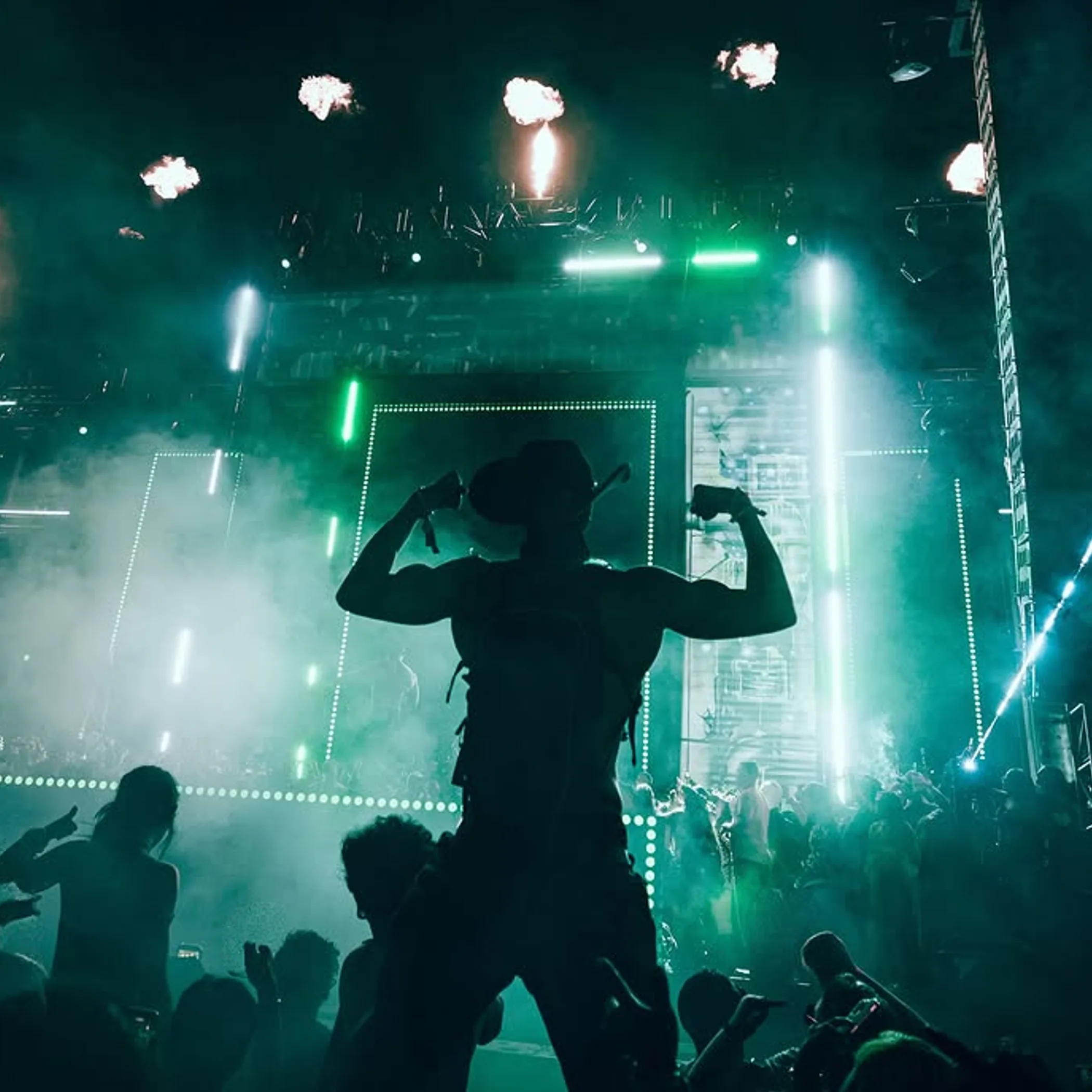
Location is the great determinant of what the weather will be like at an Australian festival in 2026. One can anticipate sun, coastal humidity and the odd downpour for a Sydney festival, whereas events in the NSW regions may mean long drives out to exposed fields with little in the way of medical or transport services on hand.
In Queensland come 2026, conditions are apt to vary from the warm, dry winter of the south to the north’s heavy rain and oppressive humidity. The Red Centre presents strong daytime sun and dry air that gives way to cold after dark; the Pilbara is hot, dusty and remote. And if one is taking the Gibb River Road, up to date road information and some wet-season planning is called for.
Match your plans to the region
Coastal cities like Sydney demand you put aside a thin layer in your day bag and have shoes to handle wet pavements; expect quick showers, salt air and wind. In Melbourne do not regard “four seasons in a day” as some kind of local theatre, pack accordingly.
Queensland and the Top End call for insect protection, something breathable and plenty of fluids. A mozzie will put in as professional an investigation on an uncovered ankle as any. In more isolated parts make sure you have an NT Parks Pass where necessary, or the right permits for the event route and Aboriginal land access.
Who might want to think again
The first-time camper, young children or those with a marked sensitivity to heat are not well served by a remote bush festival, nor is the traveller without a vehicle he can trust. With rough roads, poor reception and not much shade, a weekend of fun can easily become a matter of safety.
Those whose medical condition is exacerbated by dehydration, smoke or extremes of temperature should have a word with a health professional prior to going and take their medication. It is also prudent to factor in mobility access, where the toilets and rest areas are and how far it is from the drop-off to the stage.
Packing for function
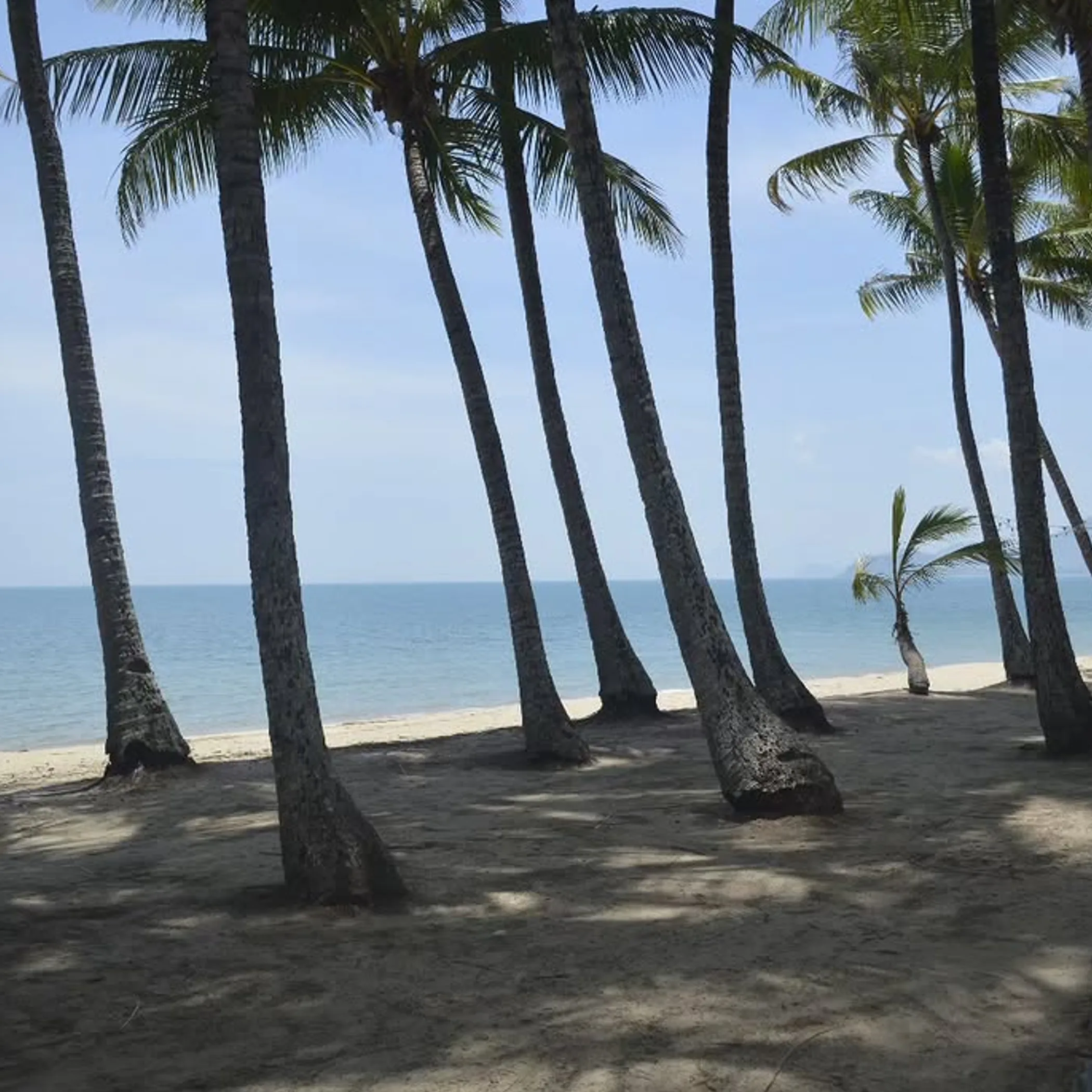
After six hours out and about you want to be functional rather than just look the part. Your kit ought to be suited to the venue and the season and allow for the forecast at its worst.
Confirm the fine print before you go: the bag and water policy, any camping or parking restrictions and what the cancellation terms are. There are costs to be had for food, accommodation, transport and parking, so put aside some AUD for contingencies; in the country fuel stops can be widely spaced and rural travel is no cheap affair.
- Weather protection: a good hat with a brim, sunglasses, sunscreen, a rain shell and a sealed bag for anything that gets wet.
- Health and comfort: ear protection, a refillable bottle, hand sanitiser, insect repellent, your own medicine and shoes to stand on.
- Travel: ID, ticket, cashless payment, a charged phone with a portable battery, an offline map and a written meeting point.
- For the remote event: a torch for the way back, first-aid, spare fuel and some provisions in case of delay.
Reality check
You see 25°C on the app and think a T-shirt is sufficient. Then you are at an open venue with a harsh sun and stiff wind and when the headline act is done the temperature has fallen. Or you find the parking is not as close as you thought; the overflow lot is still shut and there is a queue for the shuttle. The access track is mud. Put on shoes you can wash, note the car’s position and have a small torch for later.
Australian Outdoor Festival Weather FAQ
One asks these questions because of the way region and timing can alter conditions in a hurry. What follows is for practical purposes only, not in lieu of an official warning or the organiser’s word.
Is Australia going to be hot this summer?
We cannot say for every location this early. El Niño and other climate factors will have their effect on heat and rainfall but a seasonal moniker is no substitute for a proper forecast. Look to the Bureau of Meteorology as the time comes.
What is on in 2026?
There are plenty of outdoor events scheduled but programmes and venues are subject to change. Go to the event’s site and verify the entry and weather procedures and such like before you book.
They talk of a silent killer
In festival circles the term is bandied about for heat illness, though it is not a diagnosis. When you have high temperatures and humidity along with alcohol and exertion and not enough water or shade, heat stress is a danger. Should anyone collapse or become confused, get them to a cool spot and raise the alarm with staff for urgent help.
Will 2026 be a hot summer?
Not across the board. In a country of this size one area can be having storms while another bakes. Rely on the regional forecast to tell you what to pack.
Best time for a festival?
Autumn and spring have their merits for southern affairs in terms of daylight and comfort. For the northern dry season, winter is hard to beat; summer is for those who can put up with the heat and disruption of the wet. It is a question of facilities and personal tolerance.
Put the weather in the plan
Plan for the region and the season before you worry about the forecast and you will have a better time of it. Heed fire bans and storm instructions as you would any part of the event. A sensible plan is shaped by the weather, not derailed by it. Do your checks on departure and give yourself time to travel. You can then enjoy the company and the music without having to spend the evening with a jacket you left behind or making peace with a mozzie.
Further reading: celebrating ice cream in the US.
