One might think of the regulations for cosmetic tattooing in Australia as a maze of paperwork, yet the fundamentals are plain enough: it is viewed as skin penetration for the most part, meaning an artist will require the proper training, a local council registration, premises that are up to standard and infection control and waste disposal that is in order. There is no one rulebook for every permanent eyeliner or brow appointment though, as requirements will differ from one state, territory or council to another.
Isadora Fletcher here. I have come to appreciate in my time with cosmetic tattooing that having a tidy workstation is only half of what is needed. The rest is about being able to account for your training, making clear the risks to a client and ascertaining who has regulatory authority over the service before you put the door open to them. No amount of panache in the treatment room will save a business if it does not pass a health inspector. The paperwork is not exactly glamorous, but then neither is having to tell a client about an infection that could have been avoided.
The way the law sees it
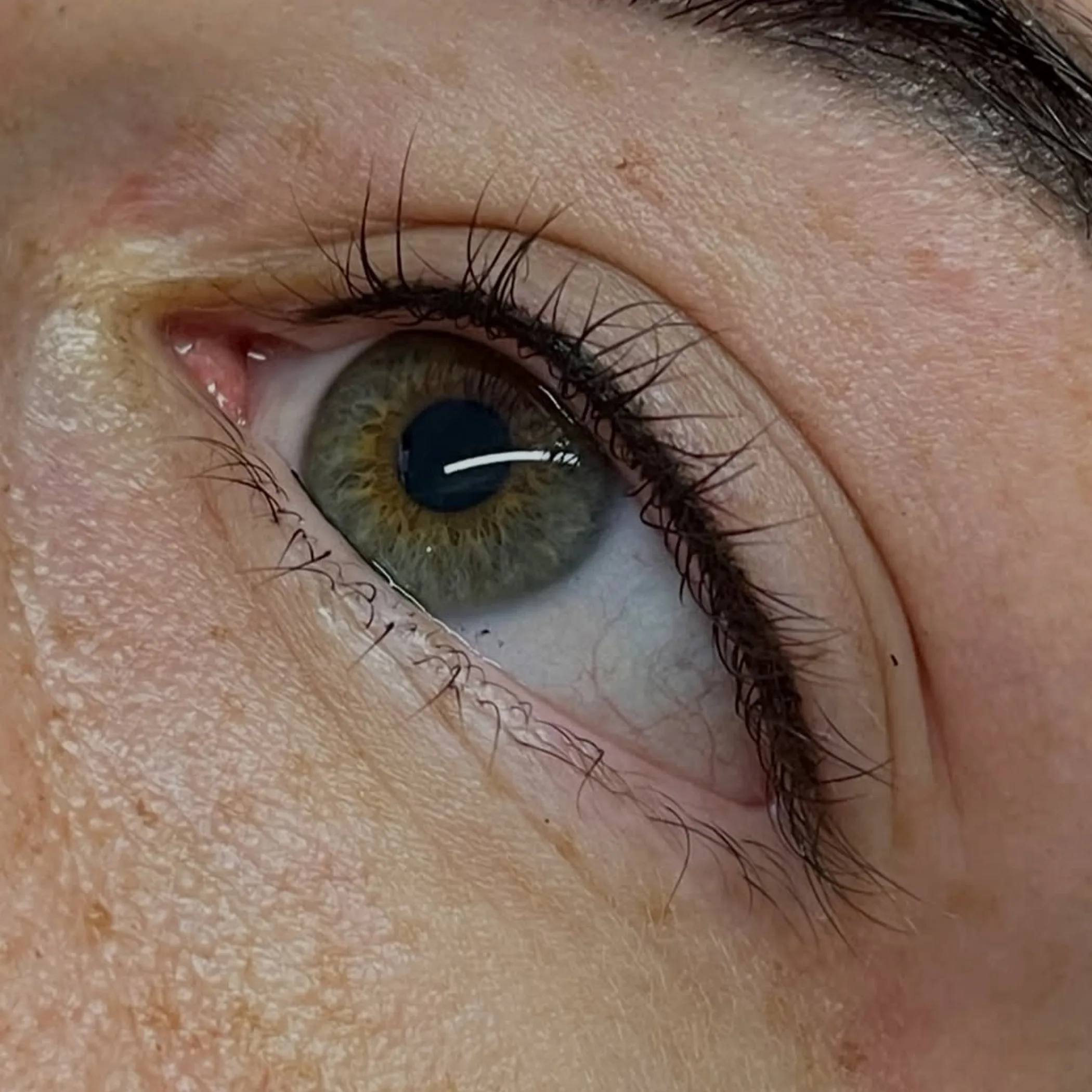
Under the public health legislation of the various states and territories, putting pigment in the skin with a needle or otherwise is not the same as applying make up; it is subject to skin penetration and tattooing controls. For lip tattooing, understanding the legal requirements for lip tattoos is essential.
It may be called beauty work on the menu, but the procedure is what determines its legal standing, not the name given to a microblading or lip blush session.
What constitutes skin penetration
Breaking the skin with a blade, needle or the like is how it is done and it can be governed by a mix of tattooing laws, public health legislation and the rules of the local council. New South Wales, for instance, operates under the Public Health Act 2010 and the 2022 Regulation; the NSW legislation website is where to find the current version. With two mainland territories and six states, each jurisdiction has its own way of doing things when it comes to inspections and standards, and the council may add to those conditions.
Matters of licence and registration
Do not expect to find an all encompassing Australian licence for cosmetic tattooing. In practice it is a matter of council approval, registering the business and proving individual competency.
Some councils want to be notified or have you registered prior to any skin penetration work. For a home studio they may want to see plans or give their approval. Put in a call to the council in whose area the premises is, not the one in which you happen to reside.
Duties of the artist and the business
An artist is expected to demonstrate practical ability, first aid and infection control training. The business will need its own Australian Business Number, insurance and so on. But a business number is for tax and administrative reasons, it does not show the council that the artist is entitled to perform skin penetration or that the premises is safe. Nor does it stand in for council registration.
If there is a requirement for an operator registration or a tattooist licence in your state, find out. Have the council put it in writing and file it with your compliance documents.
Training for the protection of the client
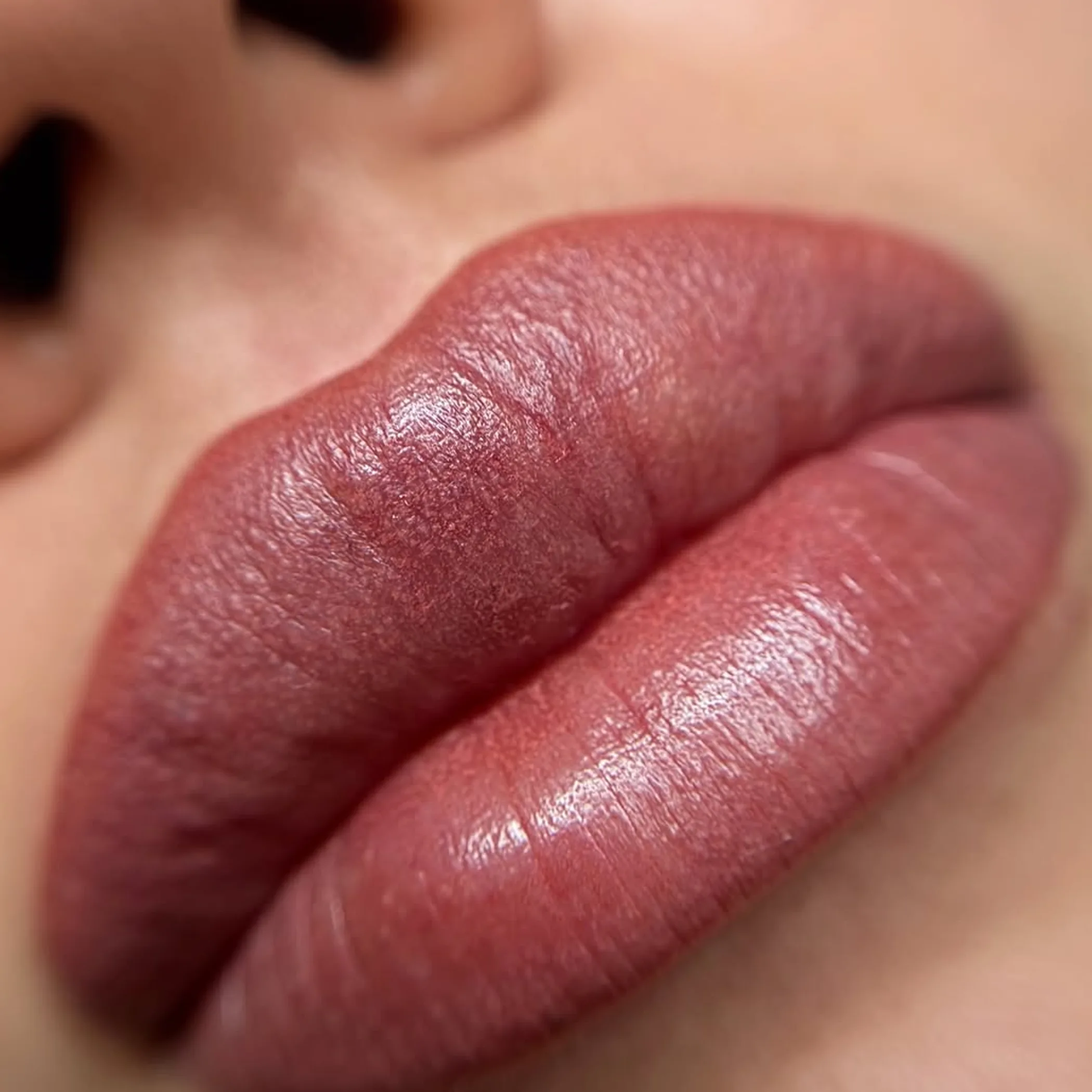
Qualifications in this field ought to go beyond brow mapping and colour theory. You want training that covers cross contamination, anatomy, contraindications, the handling of needles and sharps, as well as consultation and aftercare.
An RTO (Registered Training Organisation) will provide a nationally recognised statement of attainment or qualification. Since expectations of the council can vary, be sure the course is in line with the jurisdiction you are working in.
Competencies worth having
For personal appearance services the HLTINF005 unit (or whatever is the present equivalent for infection prevention) is often called for. HLTAID011 Provide First Aid is also something to consider, given that a client may faint, bleed or have an allergic reaction.
A certificate in infection control from an online source will not necessarily satisfy the council. Some will want to see evidence of hands on training or other tattoo specific learning. Before you sign up with an RTO, enquire as to whether the course has assessment and supervised practice and records the council will accept. A logo on a piece of paper is of little use otherwise. It is the fine print that carries the day.
Compliance with Council Premises Standards
To operate within the law one has to register with the council for cosmetic tattooing, in most cases it is the only way. Before they will sanction the premises the council could be looking at everything from the equipment layout and ventilation to the treatment room itself, your surfaces, lighting, storage and how you go about cleaning and hand-washing.
There are certain expectations of the premises. A hand-washing basin with the right water, soap and single-use drying materials is a must. Surfaces used for treatment have to be smooth and in good order and easy to put clean. You will find carpets or decorative fabrics and clutter make a working area hard to keep clean.
What an inspector will look for
During a health inspection due diligence is expected in the way the room is set up, sterile equipment stored, single-use needles opened and clean stock protected. They will want to see how contaminated items are put away and your cleaning recorded. The inspector may put you on the spot as to what you would do in the event of a needlestick injury or if an infection was suspected.
Do not assume a home studio will be given the nod. Even a spare bedroom can be made into a regulated workplace but there are questions of planning, tenancy, strata, insurance and parking to answer. See if the council is amenable to the use you have in mind and if clients can get in without having to traipse through private parts of the house.
Make time for a compliance visit to collate the necessary papers: floor plan, training and product records, your cleaning schedule, details of your waste contractor and insurance. Should you be making the trip to the council office, book via their portal or appointment system and sort out access and parking ahead of time; at holiday time they can be as congested as the Stuart Highway.
Home Studios
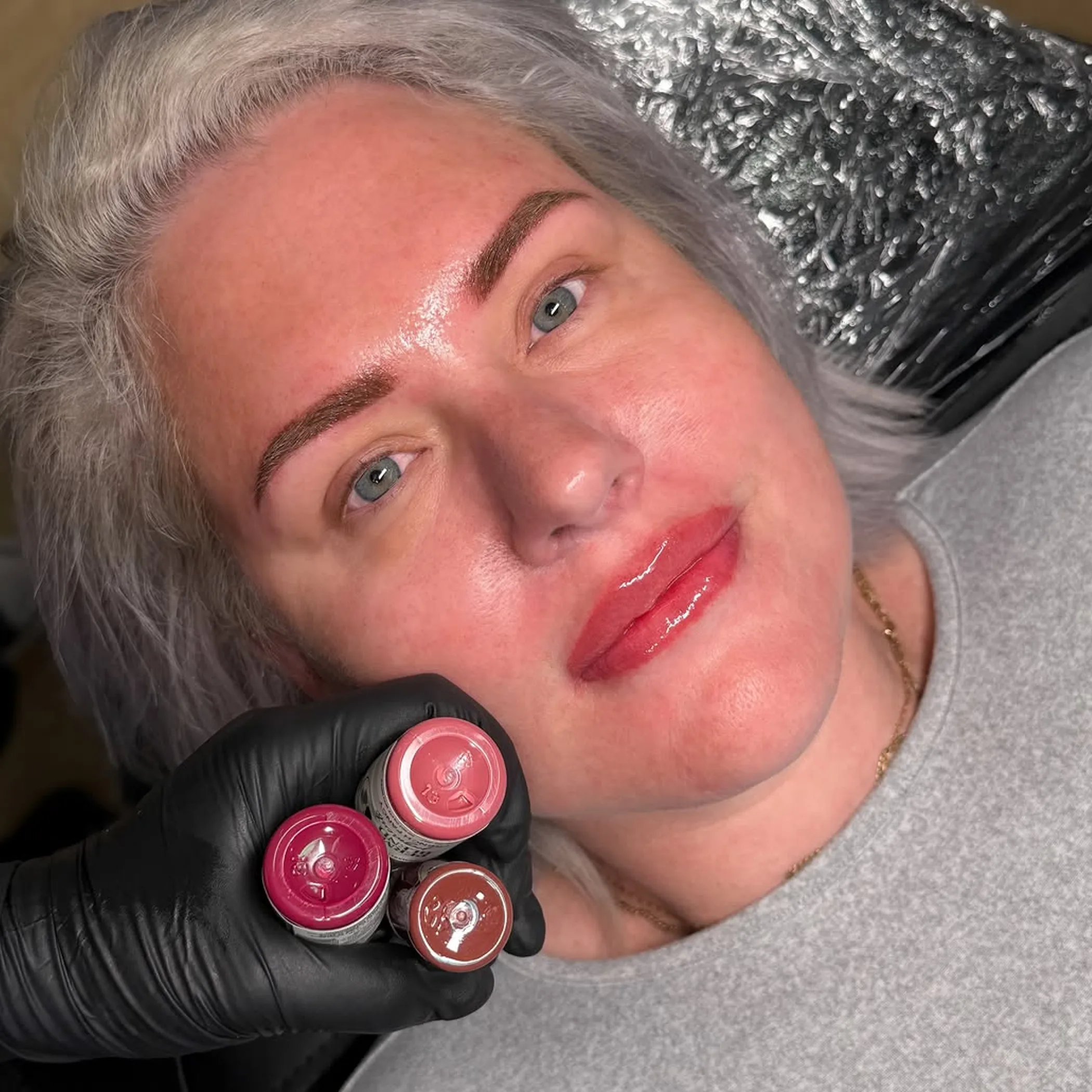
You can work from home in some places across Australia but local public health and planning rules will dictate this. If the operation is going to have an impact on the neighbourhood in terms of noise, traffic or hygiene, approval might be curtailed or denied altogether.
The risk profile is different when you are at home. Clinical supplies have to be kept apart from household ones, no pets or children in the treatment area, privacy is to be observed and contaminated waste is never to be put in with the normal rubbish.
A word of advice from someone who has worked in salons
A home studio demands a reset between clients. On a busy day in a salon I was always struck by the mess of pigment cups, paper towels, barriers and notes that would accumulate. There is no back room to put off the tidying until you close.
So before you take bookings, have your council and landlord or strata in order, as well as your professional indemnity and public liability. Look at building and toilet facilities, emergency access and clinical waste collection. Think too about whether a client can come to the property safely and not block a driveway or be a nuisance to neighbours.
If you cannot put in place a controlled environment for treatment then a home studio is not for you. Do not put up with a setup that is rough as guts and expect to be paid for it.
Hygiene and Waste
Infection control is at the heart of the requirements for a cosmetic tattoo health inspection. The onus is on the artist to show consistent adherence to procedure and stave off contamination at all stages of the treatment.
Wear the proper PPE, open things in front of the client as you should, have your hands washed at the right time and employ sterile equipment and single-use needles. But do not think gloves are some kind of force field, they are no substitute for hand hygiene.
Checklist for the day
- Before any treatment is done, verify the client’s identity and consent, and review consultation notes for contraindications.
- Have a disinfected area ready with the equipment to hand.
- Follow the manufacturer on the use of disposables like pigment cups and needles.
- At no point during the appointment should clean and soiled items be commingled.
- Put sharps in the container provided as soon as you are done with them.
- Arrange compliant clinical waste disposal through an appropriate contractor.
- Your aftercare instructions should be in writing and you will need to put down what products and pigments were applied.
- Make a note of any incidents, complaints or follow-ups and of the cleaning done.
As for clinical waste, the rules vary with the jurisdiction and the type of waste. Used needles do not belong in the general bin. Find out from the council or your contractor what is needed in the way of containers and records.
Pigments and what is claimed for them
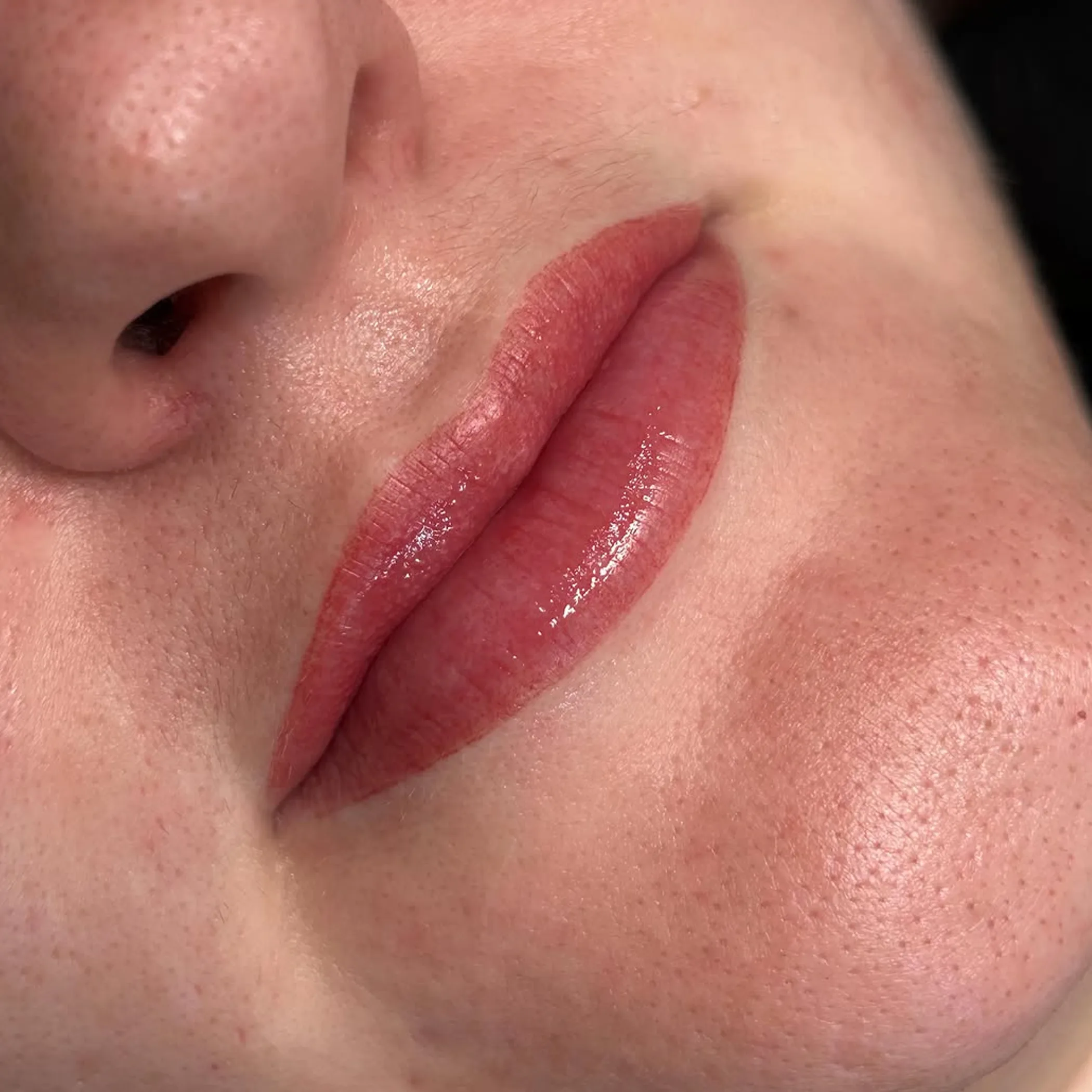
Some care is required with PMU and tattoo inks. The AICIS has a role in the introduction of industrial chemicals and there are other matters of safety, labelling and advertising to consider.
Then there is the TGA which can come into play if a product is making therapeutic claims or is part of the therapeutic goods framework. Do not make assumptions, a pigment is not a therapeutic good just by virtue of being put on the body. Judge the product and its claims on their merits.
Australian Consumer Law obligations fall under the purview of the ACCC. In advertising one should be accurate and refrain from making promises that cannot be substantiated, be they of a medical nature or of guaranteed results, permanent perfection and scar-free healing.
Product Records
For each pigment put down the date of use, expiry details and the batch or lot number as well as the shade and manufacturer. Retain any safety data and invoices from your supplier. Should there be a product recall or a client puts in a report of a reaction, such records are what will enable an identification of the treatment in question.
It is not an option to forgo honest expectations when it comes to informed consent; they are integral to it. Make it plain that cosmetic tattoo pigment may need to be corrected, heal in an uneven manner, alter its tone or simply fade. The outcome is subject to aftercare, the state of one’s health, medication, sun and skin type.
A Word on State Requirements
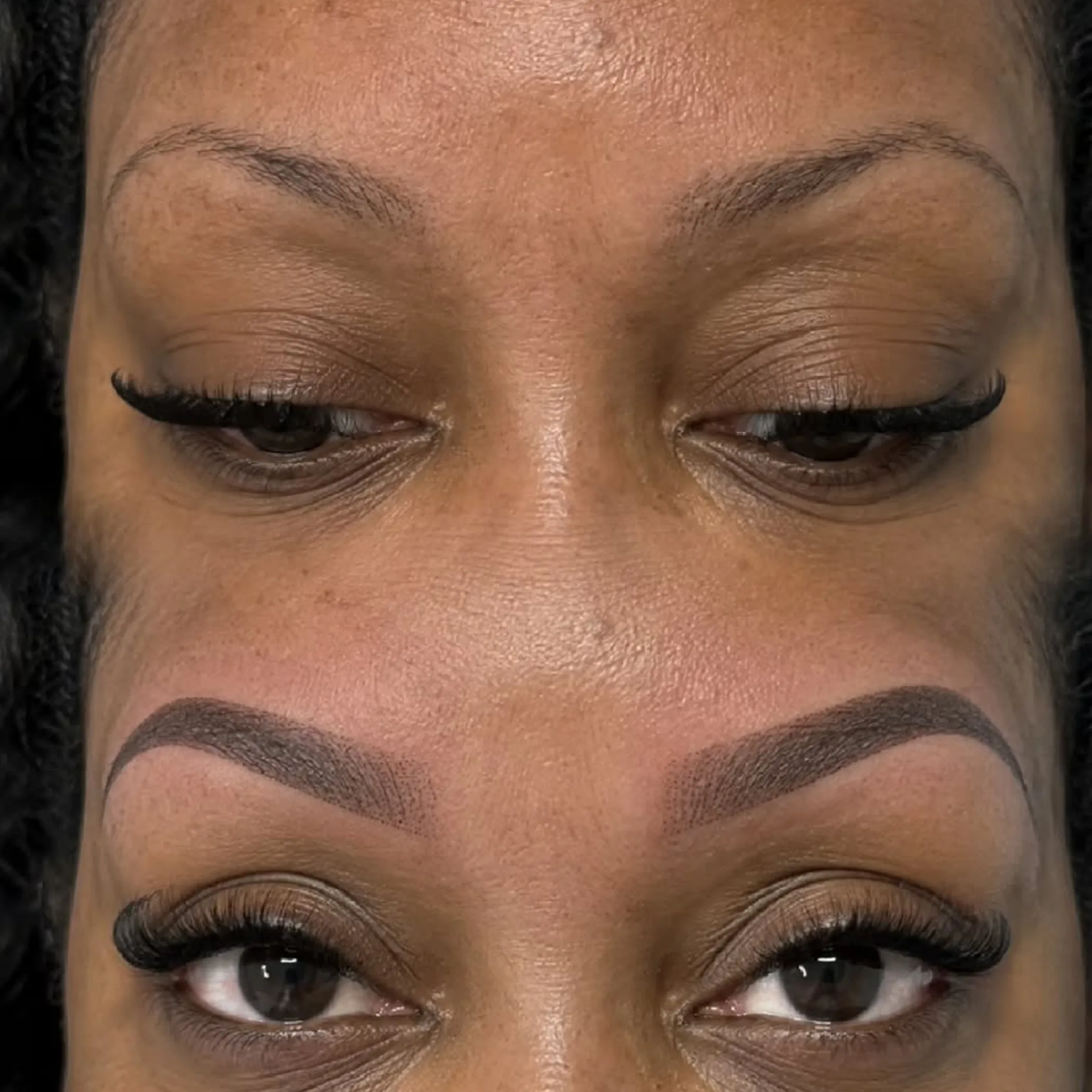
There are differences in how states and territories put their regulations into process and in the terms used. A council might have you file a skin penetration notification while another will want premises registration, yet another will talk of personal appearance services or tattooing.
The following table is merely a point of departure; do not take it in lieu of ascertaining the local rule of the day. Councils are free to impose conditions on a given premises and requirements are not set in stone.
| Compliance Area | What To Confirm | Why It Matters |
|---|---|---|
| Artist training | Practical competency and the Australia qualifications for cosmetic tattoo | Demonstrates knowledge of the procedure and attendant risks |
| Infection control | HLTINF005 or its present equivalent | For the control of contamination and proper hand hygiene |
| First aid | HLTAID011 or as the council would have it | In case of an emergency, bleeding or fainting |
| Premises | Cleanable surfaces, a hand-washing basin and council approval | So the site can stand up to inspection and be run lawfully |
| Waste | Arrangements for clinical waste and sharps containers | A safeguard for the community and those you work with |
| Products | Claims, supplier information and pigment records | For the protection of the consumer and traceability |
One should not think an approval is transferable in moving from Perth to Sydney, Melbourne, Brisbane, Adelaide, Hobart, Darwin or Canberra. It is tied to the artist, the premises and the business activity.
Lip Tattoo Compliance
With lip blush treading close to the line between cosmetic, tattooing and medical, clients are apt to enquire as to the legalities. An artist has to deal with the obligations of advertising, pigment records, contraindications, consent, hygiene and the rules on skin penetration.
Consultation is key for lip work. Ask about any active cold sores, medication, prior reactions or other health matters. But do not treat or diagnose a medical condition; if it is beyond your training, put the client in touch with a health professional.
Conducting Lip Blush Consultations
Set out what to expect in the way of tenderness, swelling, colour variation and how the result will heal, including the chance of uneven retention. Put your aftercare directions in writing and indicate when medical advice is warranted. The client must appreciate that once healed a soft result will bear little resemblance to what was seen in the treatment room.
Before putting client photos out there get permission and use before-and-afters that are true to life. Do not suggest that a particular shape is assured or that lip blush is a stand-in for medical intervention. Cosmetic tattooing is not going to alter the laws of pigment behaviour or anatomy.
Practical Compliance Sequence
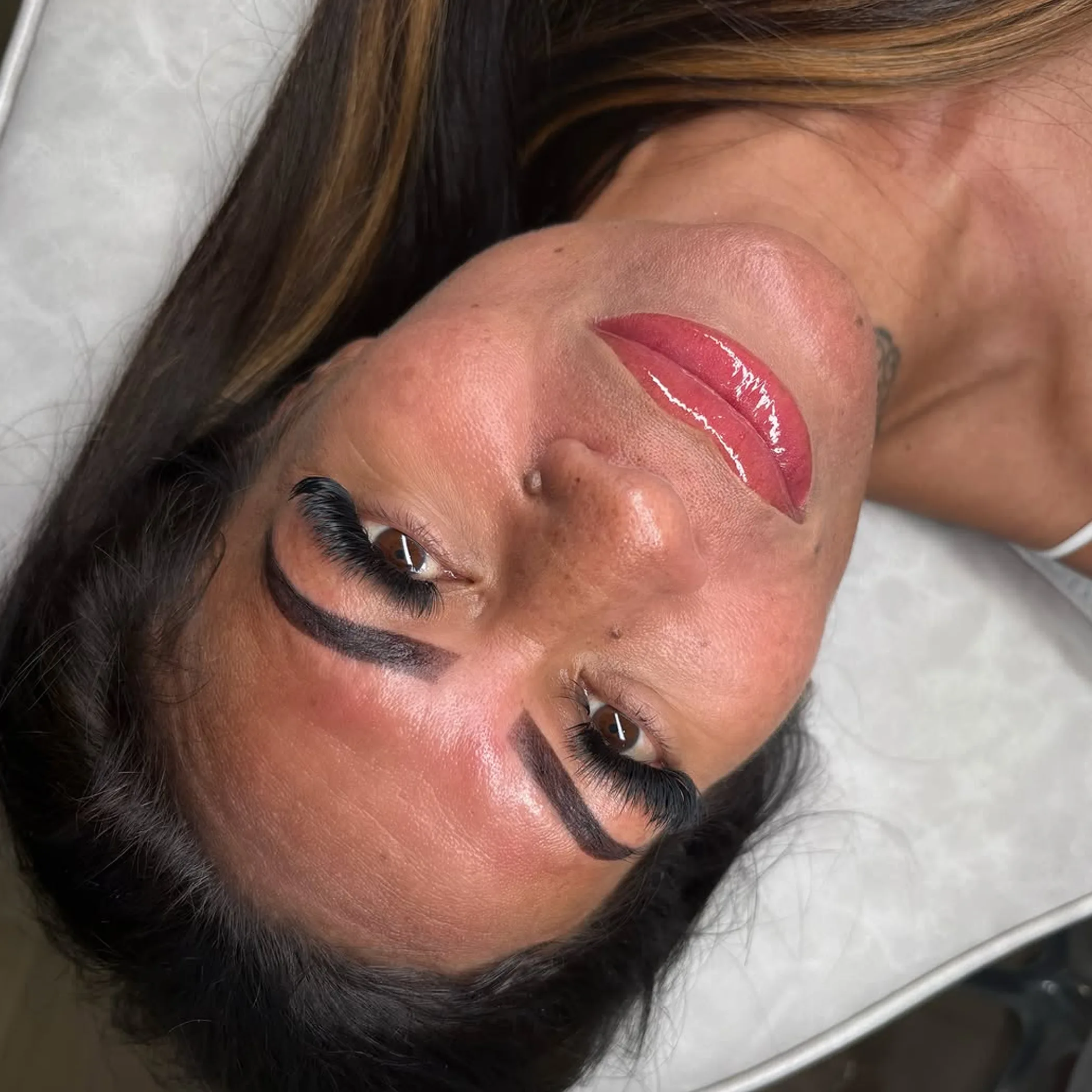
To ensure compliance in a practical sense, the best approach is to start with what the council demands and go from there. One way to sidestep the expense of equipment or a room you will not be able to get approved for is to follow this approach.
- Start by ascertaining the local council and state or territory of the premises in question.
- Put in a call to the council to find out what registration, licence, notification and inspection protocols are in place for cosmetic tattooing.
- For training, an RTO course is the order of the day; make sure it deals with infection control, skin penetration and the like.
- Then there is the matter of getting the premises ready, from the hand-washing and cleaning set up to where the equipment and waste are put away.
- Business registration and insurance must be sorted, as well as your supplier records, consent forms and aftercare templates.
- Once you have done that, put in an application for approval and see to any deficiencies found on the health inspection before you put clients through the door.
- And should you alter your equipment, add a service, move location or bring in new pigments, the rules warrant a re-examination.
If planning time is limited to a single day, put the council call, an assessment of the premises and proof of training first. A little checking on those three fronts will tell you if the proposition is sound before any heavy outlay on stock or machines.
Frequently Asked Questions
What Are The New Regulations For Cosmetic Injectables In Australia?
Injectables are a different ball game to cosmetic tattooing and can come with their own set of requirements from AHPRA, advertising controls, prescribing rules and registered health practitioners. It is not enough to have a cosmetic tattoo qualification to inject fillers or the like. Go to the state health authority and the relevant practitioner regulator for the latest word.
What Regulations Govern Cosmetics In Australia?
Product safety, consumer law, ingredients, import and advertising obligations are all in play. The TGA, ACCC and AICIS may have varying roles to play according to the supply chain and claims made. Pigments for cosmetic tattoos demand thorough batch and supplier records.
AHPRA Guidelines For Cosmetic Injectables?
The guidance from AHPRA is for registered health practitioners and does not override cosmetic tattooing rules nor give a beauty therapist or tattoo artist leave to do injectable work. Any such plans should be vetted against the current AHPRA and state or territory authority guidelines.
Is A Licence Required To Sell Cosmetics In Australia?
Not a blanket one for every product. What is called for will hinge on the business structure, importing, the product itself and its claims. Compliance with Australian Consumer Law and any TGA or AICIS duties is non-negotiable for sellers.
Tattooing Without Council Registration?
Some jurisdictions may refer to it as notification but it is no less regulated for that. Do not make the mistake of operating and then inquiring of the local council when it comes to cosmetic tattooing. That is not how to ensure client safety and is a compliance strategy best left alone.
Final Compliance Takeaway
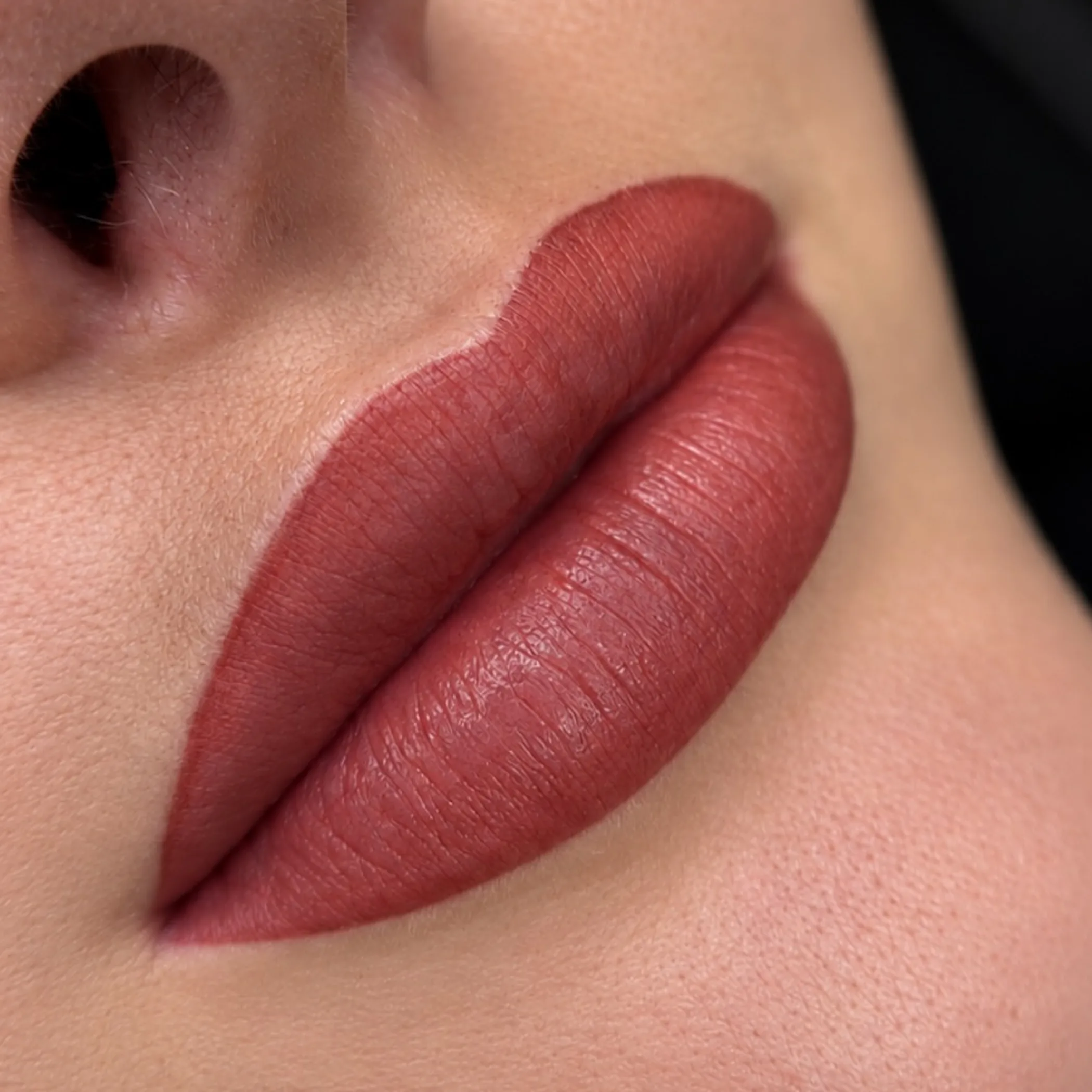
From council oversight and product traceability to infection control and frankness with the client, the regulations for cosmetic tattooing across Australia centre on the safety of skin penetration and proper training. Home operators in particular will find the process dictated by their local council and state.
So before the first booking is taken, have your approval in order, the training done, a compliant premises and clinical waste disposal in place and your records in detail. When things change, be it your products or location, a review of the rules is in order. The admin is worth it to avoid a major headache down the track.
