There is nothing complicated about observing stinger season protocol on the Great Barrier Reef: put on a stinger suit, heed any local warnings, stay within your enclosure and be prepared in the event of contact. It does not mean you have to call off your trip, but one should not make the mistake of regarding tropical waters as an extension of the backyard pool.
Marine stingers can be found in and around Cairns and throughout Queensland between November and May, though water temperature, weather and where you are will dictate conditions. I am Isadora Fletcher and in this guide I get into the nitty gritty of what most travellers overlook, be it picking a reef tour or how to handle a sting when those around you are just standing there looking concerned and not much help. High season details highlight when stinger activity peaks, guiding safe swimming and tour planning.
The Truth About Stinger Season
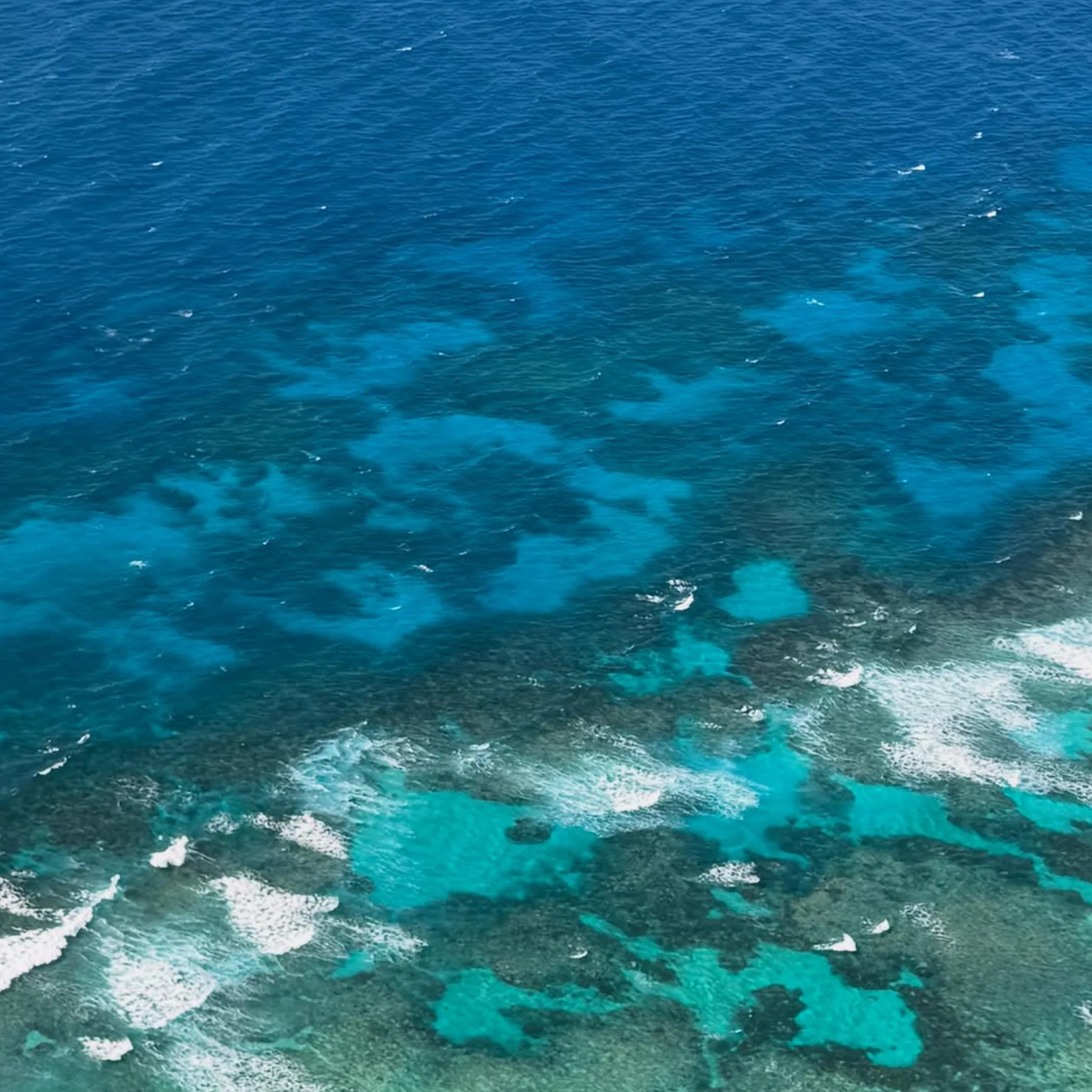
Put simply, stinger season is when you are more apt to come across harmful jellyfish and their like in the waters of tropical Queensland. The open ocean is not the only place of concern and the risk is not the same from one day to the next, hence the value of taking local counsel over what the calendar says.
That said, the majority of visitors make the most of the Great Barrier Reef in these months. For more reef safety precautions, be sensible and use the equipment at hand, let the lifeguards and tour crew do their job and pick a spot that has a stinger net or is properly supervised.
Conditions From November to May
You will find the seven month season generally acknowledged to run from November through to May. Being the tropical wet season as well, plans and stinger risk alike can be called into question by high humidity, wind, rain, thunderstorms and poor visibility.
Do not think stinger season in Cairns renders every swim perilous or puts all beaches out of bounds. You would do well to check the going on for the day and steer clear of any isolated haunts. A stinger net will lower your risk but it is no invisible force field for the whole beach.
Reality Check
One might expect to be encased in thick rubber for the duration of the holiday. In fact a good many of the operators will have a light wetsuit or Lycra stinger suit that goes on easily over your swimsuit and is fine once in the water. Then there is the matter of the boat ride being cool and windy while the water is warm; put down some dry clothes, a towel and sun protection. By lunchtime the tropics can have you shivering after a sweaty breakfast.
Make Yourself Familiar With Marine Stingers
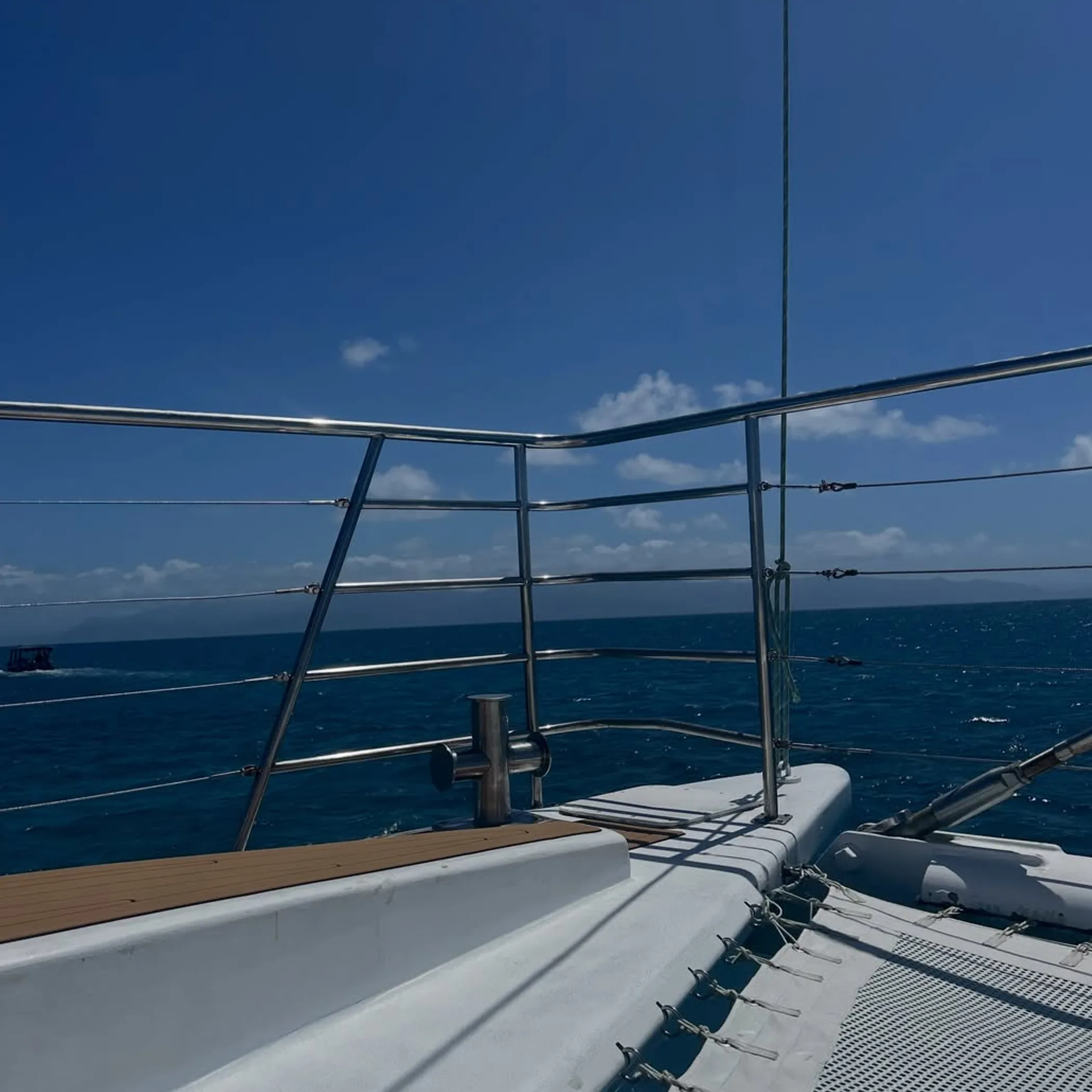
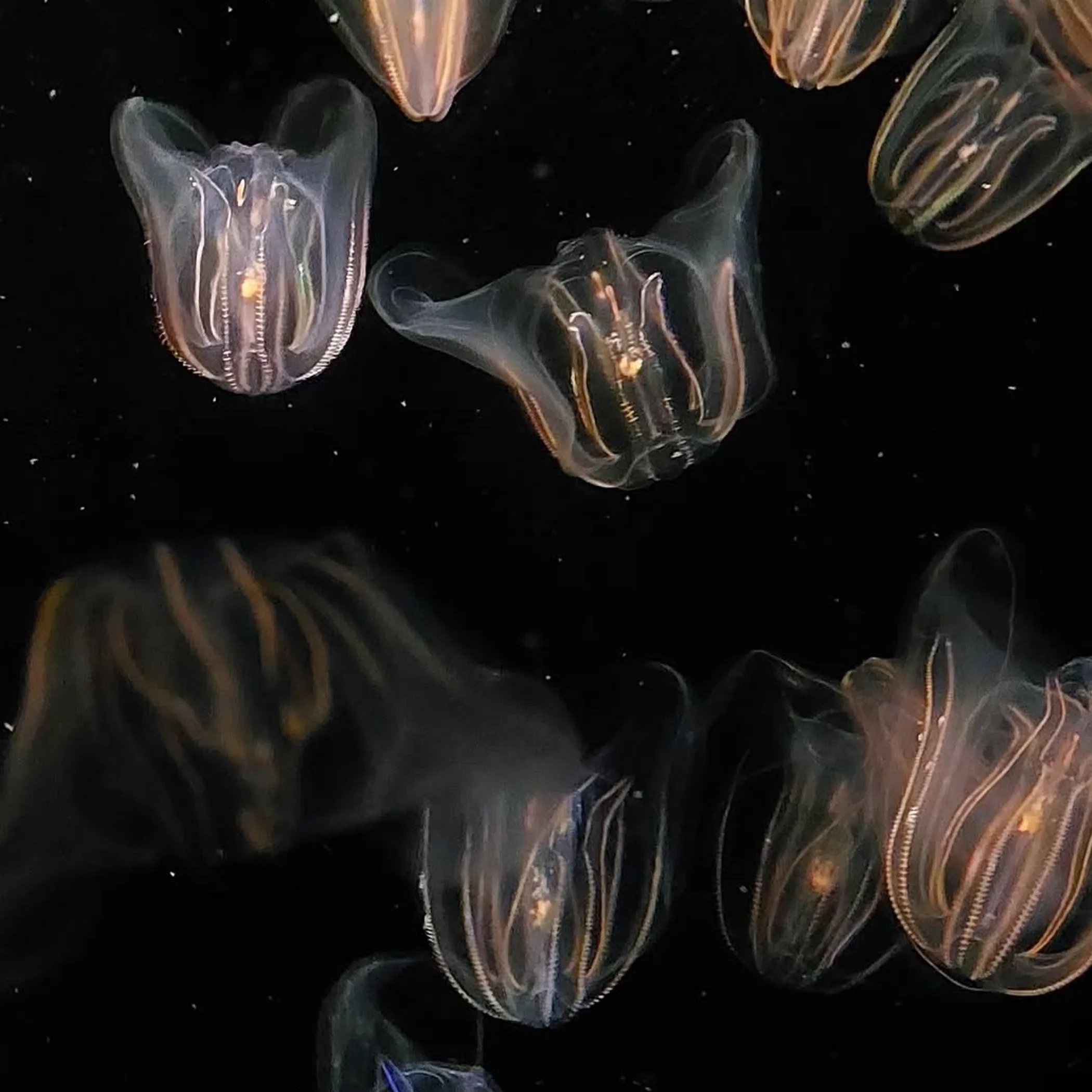
You can know the names but they are hard to identify in the water. Do not make the decision to swim on the basis of whether you can see a jellyfish; marine stingers are often small or transparent.
Respect the water you do not know, especially in shallows or near creek mouths following heavy weather. And if you want to know what is in the area, put the dramatic tale of someone’s cousin aside and ask the tour crew or a lifeguard.
Box Jellyfish and Irukandji
A box jellyfish sting can be serious and painful. With some species having tentacles you would not see, it is a bad trade to go in bare skinned during the season.
An Irukandji is another matter altogether. They are tiny and easy to miss and their impact may not be felt right away. Should you suspect contact and then experience anything from nausea and sweating to chest pain, difficulty with your breathing or feeling faint, seek medical attention without delay even if you were feeling alright a moment before.
Things That Trip Up Visitors
A tranquil beach is not necessarily any safer than a busy one, it is probably just less of a presence. Go for the patrolled beach with the signs and leave the lovely empty stretch where nobody is aware of the conditions.
And remember a sting can occur on the way in or out of the water so keep the stinger suit on. Do not go handling a jellyfish left on the sand, it can still be troublesome. Nature has no need to look dangerous to be inconvenient.
A Reef Tour Done Right
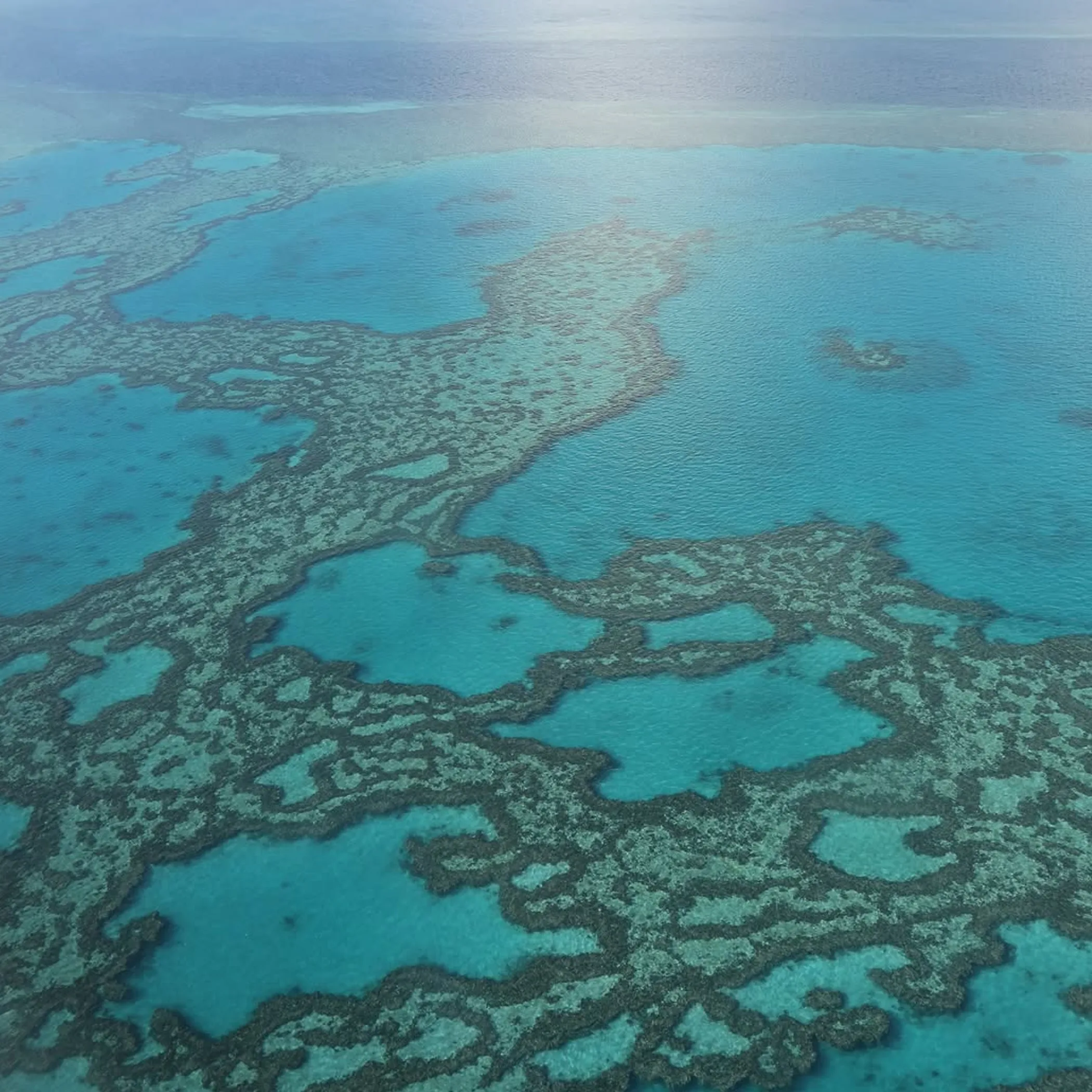
For stinger season an outer reef tour is often the way to go as the operator will have the protective clothing and supervision in place. Before you put down a deposit and seal the booking, ask the hard questions; the quality of your safety plan is up to you.
If you are inquisitive about marine stingers a decent operator will not put you on the spot for it. They will tell you how to don the suit, where to get in, the signals to look out for and the procedure for a change in the weather. Should they do so, put in a call to some other operator.
Tour Operators: Some Questions to Put to Them
Find out if first-aid is on hand and the crew has an emergency protocol in place. Inquire as to whether a Lycra stinger suit or a light wetsuit is part of the package. And make sure you know what the plan is in the event of wind, poor visibility or a downpour holding up the trip.
Before you book, have a look at the bottom line. You will see prices are not uniform; they depend on the type of activity, where you set off from, the inclusions and so on. Take the fare as advertised for what it is, a point of departure, and get confirmation on any charges for park or marine activities, transfers, equipment hire and meals.
- Make certain of the return transport, check-in time and which marina is the point of departure.
- As for packing, be sure to have water, a towel, dry clothes, reef-safe sunscreen and swimwear. Motion-sickness medication too if you need it.
- Let the crew know of any medical issues, allergies, pregnancy or that you are no great swimmer.
- Once in the water for the session, don your protective clothing.
- Heed the crew when it comes to tides, ladders, boats and the reef platforms.
A One-Day Plan for Cairns
When there is only one day to make of it, a good outer reef tour with a name or a supervised spot for swimming is better than making an effort to hit a number of beaches. Factor in time for the weather, loading, check-in and getting back to the hotel. What may be a tidy timetable on paper has a way of being turned on its head by the tropics.
Those disinclined to snorkel can ask about a reef pontoon for a semi-submersible or glass-bottom boat experience. It is a way to see the reef without getting in the water. But before booking, ask which of the activities involve swimming.
On the Proper Use of Protective Swimwear
The stinger suits the Great Barrier Reef operators put out are not for show, despite some of the brighter colours trying. They put a practical barrier between tentacles and you and leave less skin to be exposed.
But do not think a suit gives licence to disregard warnings. It is no substitute for a briefing from the crew, a lifeguard or common sense near the boats and marine life. Nor does it render you invincible.
Fashion is secondary to fit
You want the suit to cover the arms, legs and torso as it should, with the openings at the neck, wrists and ankles secure. A loose or twisted fit will leave more of you exposed than you might think, so ask for assistance.
Put on your reef-safe sunscreen to any area left uncovered prior to the suit. Reapply as the product directs, particularly after a sweat or some sun between activities. Sunscreen is for ultraviolet radiation, not stingers.
To Make Swimming a Little Easier
There is no point in putting on airs for the sake of a holiday photo when you are not at ease. If open water is not to your liking, say so to the crew and opt for a flotation device or something else. Otherwise, swim in a measured way and do not go past the boundary put in place by the operator or lifeguard. Do not put your hand in a coral crevice or after an animal. Currents and jellyfish are not going to be any more civil because you are a strong swimmer.
Where to Swim
Clothing is only half the equation in stinger season. Seek out patrolled beaches with clear signs and stinger nets if you can find them. The Cairns Esplanade Lagoon is handy for a controlled environment close to the city; it is not the reef but a sensible respite from open water when there are warnings on the beach.
Palm Cove and Trinity Beach draw crowds but conditions are fickle. On arrival, take the lifeguard’s word and read the signs, do not assume what was true yesterday holds. A net in an enclosure will limit exposure but cannot vouch for the absence of all hazards.
After a heavy rain, keep away from creek mouths. Do not be in unpatrolled waters or beyond the marks. Watch the tide and the quality of the water. An empty beach and a sign telling you to stay out means just that.
A Useful Land-Based Backup
If the coast is not to be had, the Atherton Tablelands make for a good change of scene, though one must be careful at inland swimming holes. Inspect the site for currents, slippery rocks and any local cautions. From Cairns the roads can be wet and winding and slower than one would like; rain will hamper your view and driving. Before you put in to the coast with a hired car, check on the insurance, fuel and road requirements.
| Option | Best For | Main Precaution | Planning Note |
|---|---|---|---|
| Outer reef tour | Snorkelling and the outer reef tour | You will be given a stinger suit for this; put it on and do as the crew says. | Plan on making it a full day, factoring in check-in and the journey back. |
| Patrolled beach | A patrolled beach for a short swim along the coast | Heed any local warnings and confine your swims to where the signs say you can. | One must be mindful of the tides and weather as conditions are apt to change. |
| Stinger net enclosure | Within the stinger net | The net is there to mitigate risk but not all hazards are gone, so stay in the enclosure and pay attention to closure notices. | For a more measured way of swimming in the sea. |
| Cairns Esplanade Lagoon | Cairns Esplanade Lagoon | Adhere to the rules of the facility and have an eye on the children. | The city’s answer to controlled swimming, and the place to go when open water is not to one’s liking. |
| Atherton Tablelands | Inland at the Atherton Tablelands | Make allowances for rain and the kind of roads that will take some time, and see what each site has to say about access and swimming. | There are freshwater options and sightseeing here. Weather should be checked too. |
One should regard this table as a means of planning, not a current hazard report. Before you put yourself in the water, look to the signage and whatever advice is on offer locally.
If stung, act fast
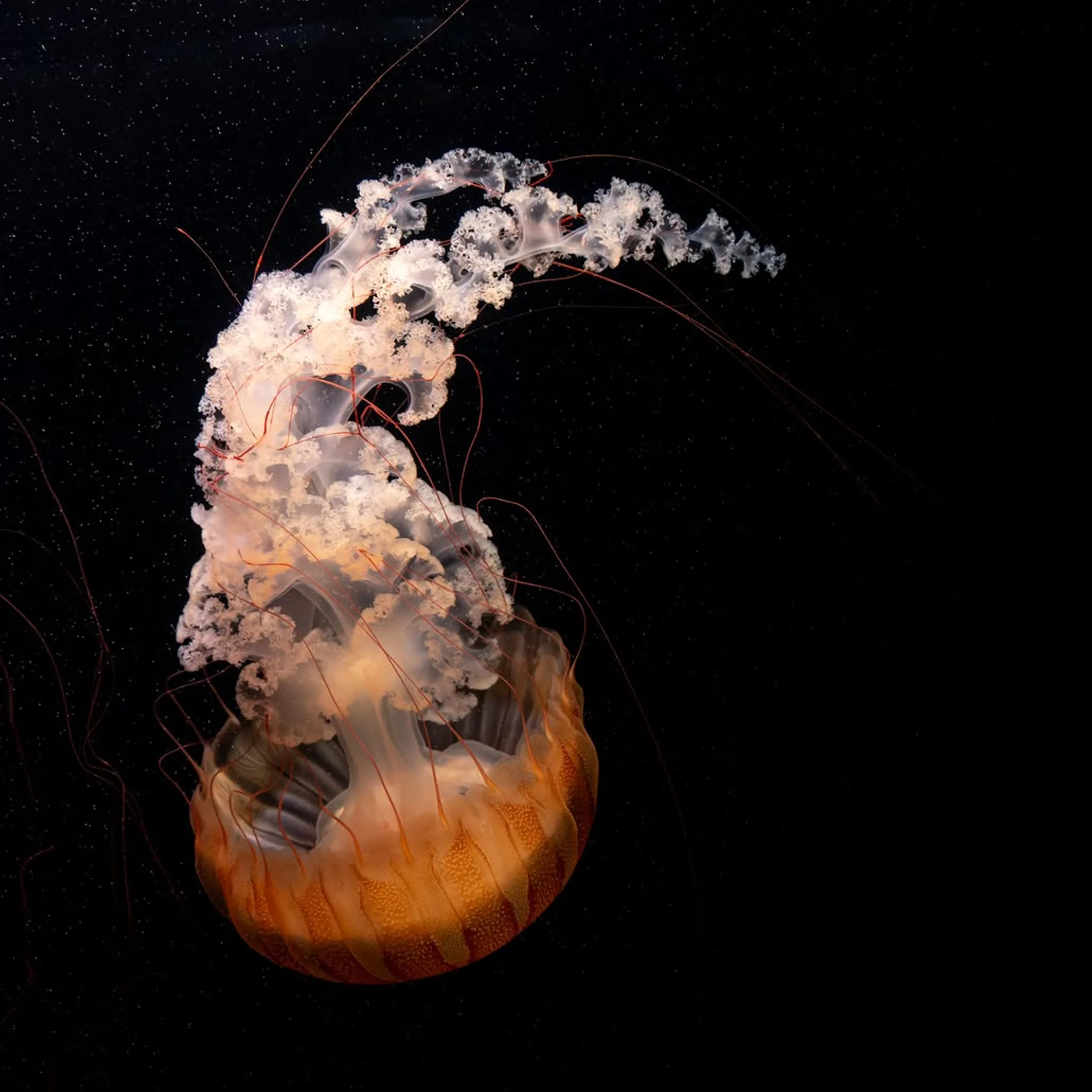
What constitutes proper first aid with vinegar or the removal of tentacles is dependent on the species and the emergency protocols in place; the tour crew, a lifeguard or Queensland Ambulance Service will know best. There is no call for improvisation with fresh water, urine, alcohol or by rubbing vigorously.
Should symptoms be of a serious nature or the reaction severe, dial 000 without delay. Put the operator in the picture as to the marine-stinger incident and wait for help to arrive.
First-Aid to be had
- Your priority is to get the individual from the water, but only if you can do so safely.
- Put the matter before the crew or another adult at once.
- In the event of collapse, trouble breathing, chest symptoms or pain of a severity that is concerning, make a 000 call.
- Do not rub the area; let local instruction be your guide for visible tentacles and the like.
- See that the person is kept under supervision and at ease until medical assistance is at hand.
A sting should be reported to the lifeguard or operator even if it seems minor. Irukandji will not show their hand right away and it is wiser to have a professional opinion than to assume a bad swim is all it was.
Those travelling would do well to read up on the Queensland Government’s safety advice on jellyfish and marine stingers before they come and while they are here.
Some frequently asked questions for the Great Barrier Reef stinger season
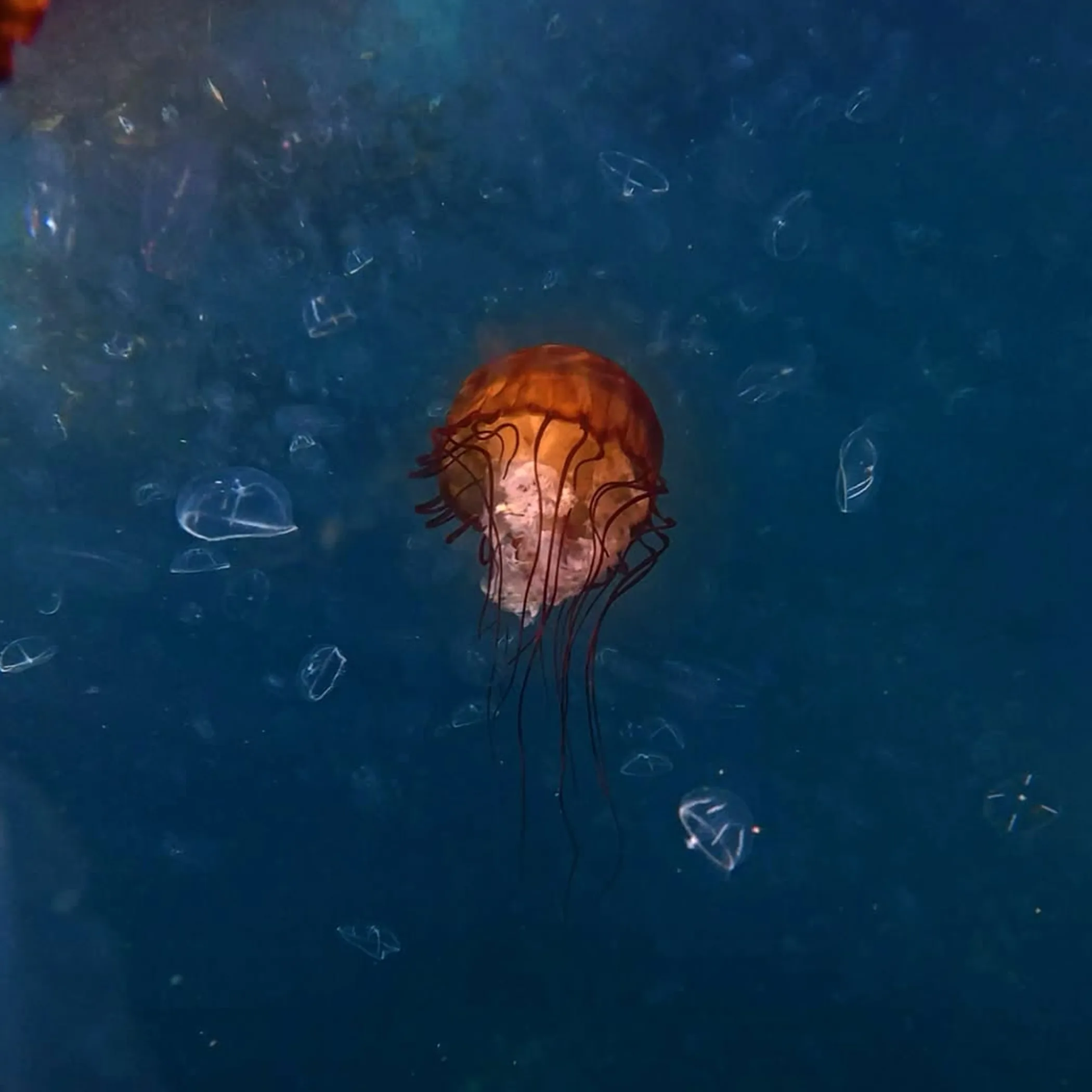
Travellers tend to put these to us before a visit to the reef or a swim in Cairns. “Yes, with the right precautions” is the usual reply. Queensland is a place where preparation is rewarded and cockiness is not.
Is swimming permitted in stinger season?
Most often you can, so long as you are protected and heeding local warnings. A reputable tour of the outer reef, a stinger net or patrolled beach will do, and the operator will provide the clothing for it.
When is stinger season on the Great Barrier Reef?
Tropical waters in Queensland are more prone to have them then. November through May is the accepted time frame, yet the risk is a function of location and conditions. You are better served by the day’s local advice than the calendar.
And in Cairns?
Between November and May you can consider it so. But marine hazards do not stop when the season does, so instructions from your tour operator and the lifeguards are to be followed year round.
Do you need a stinger suit?
During the season it is highly advised as it leaves less skin exposed. It will lessen the risk but not eliminate it; follow the safety briefing and remain in the areas set aside for you.
What is off limits in the Great Barrier Reef?
It depends on the zone and the operator but do not handle stranded jellyfish or touch the coral and its inhabitants. Feeding wildlife, taking anything from the reef or disregarding boundaries is not on. Nor should reef activities be an excuse to flout local rules.
Safety should figure in the trip
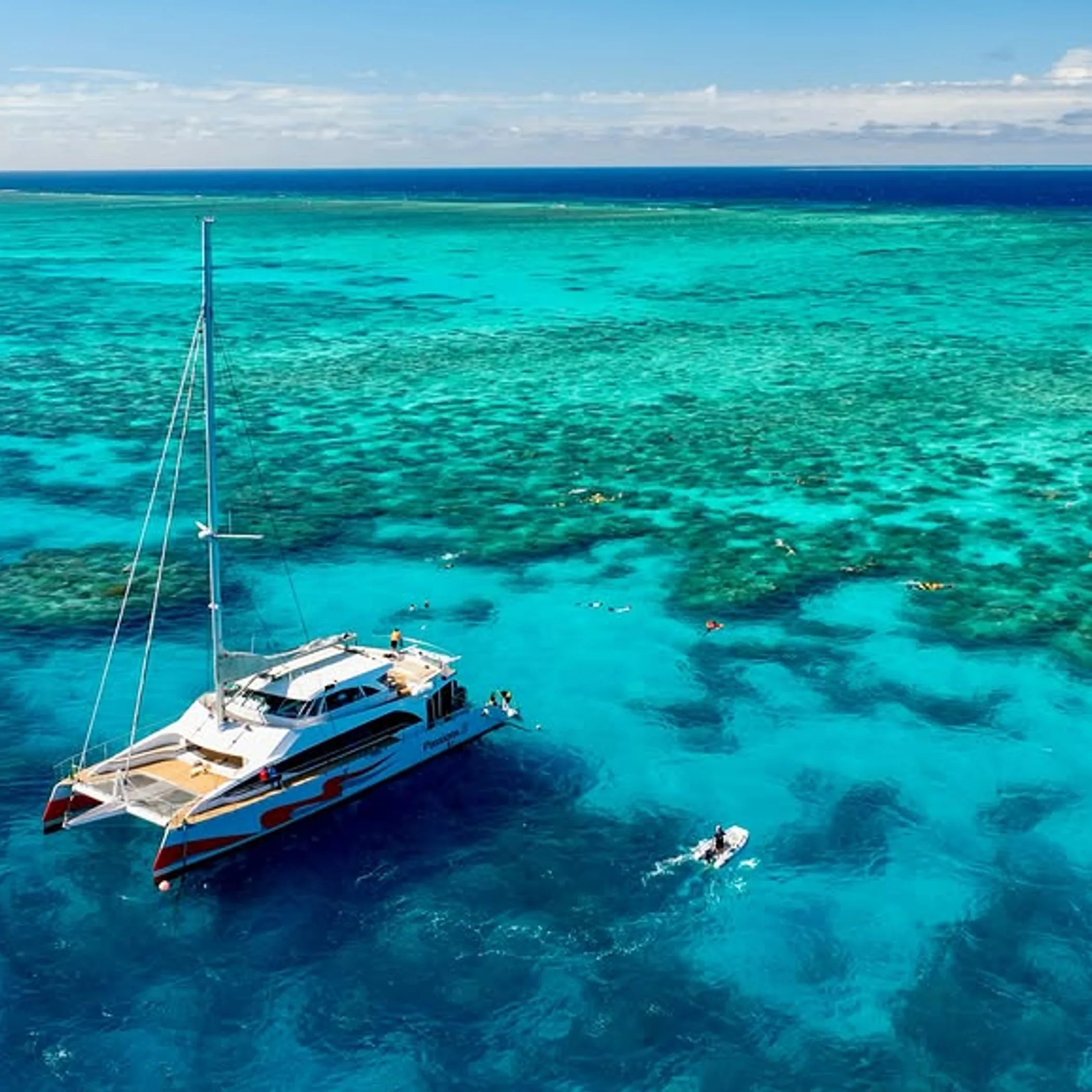
An effective plan for jellyfish safety on the Great Barrier Reef is nothing to write home about: check the conditions, put on the suit, report the unusual and stick with the group. With that bit of preparation you can have a good time at the reef and not be left to wonder if every speck in the water is going to put an end to your holiday.
I would put it this way. Make the precautions part of your itinerary rather than some afterthought of a warning. Pack accordingly, put your questions in early and accept the ocean’s prerogative. That is not being a pessimist, it is just how one behaves in Queensland.
