The premise of Energy-Efficient Hot Water AU is not complicated: heat the water the household requires with less energy. Of course, the colder inlet water in winter and a propensity for longer showers can see one’s energy bill climb. Yet there are ways to be more comfortable in the bathroom without it feeling like a polar research station.
I am Isadora Fletcher and I have come to appreciate that the best advice for the home tends to be unglamorous. It means being honest about a twenty-minute shower not being “quick”, mending a tap that drips or having a look at the temperature setting. What follows is a guide to hot water efficiency in the winter months, a rundown of how different systems stack up and some ways to ensure a reliable supply when it is cold out.
An excess of energy in winter
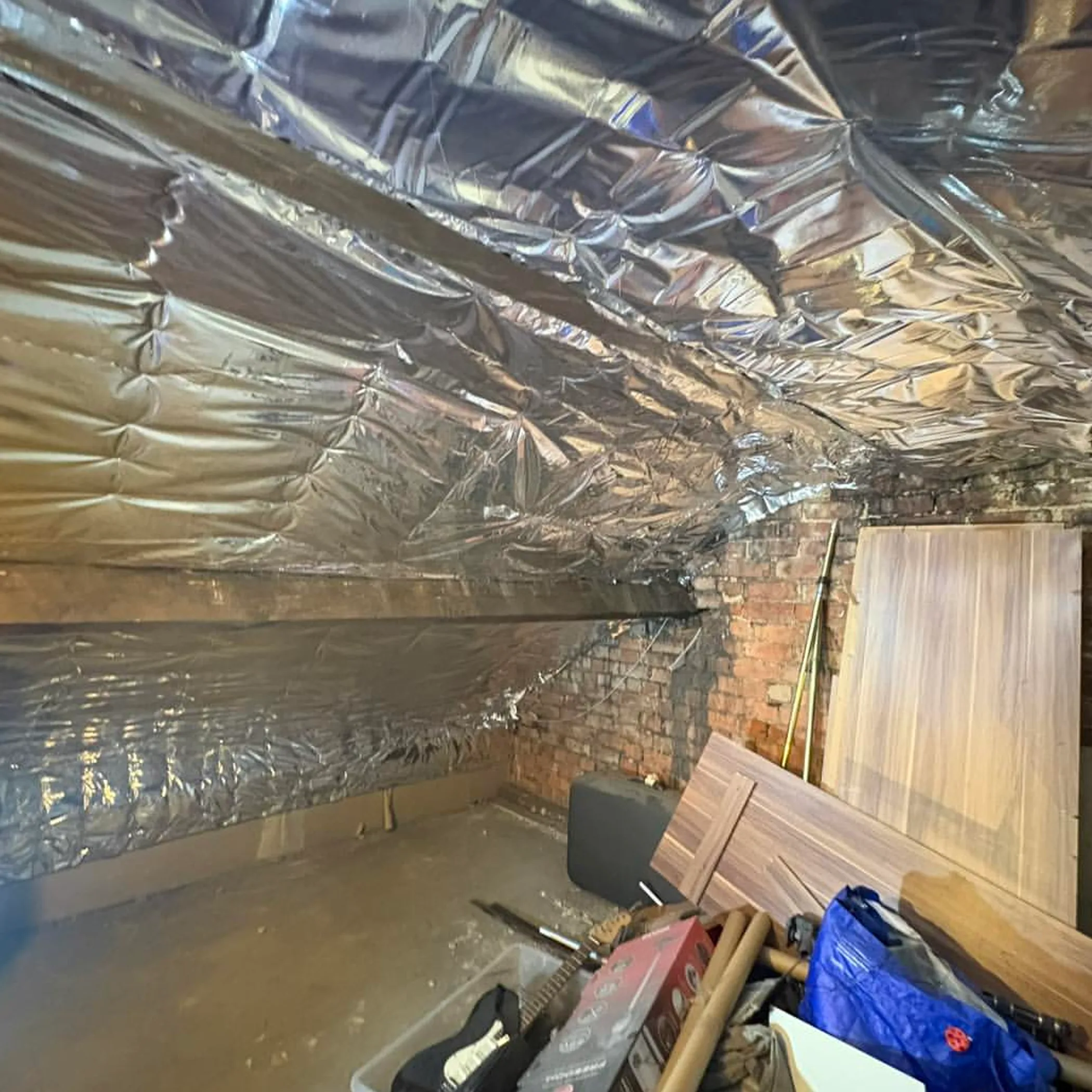
When the inlet water is cold the system has to put in more work to bring it to a temperature fit for a shower. Add to that the fact that in the dark mornings one does not want to do the dishes in icy water and hot water use will be higher. There is also the matter of hotter settings and more frequent washing with warm water. For practical advice on maintaining hot water through winter, consider seasonal maintenance. One may not notice these things until the energy bill comes round, rather smugly so.
The importance of cold inlet water
It all begins with what comes from the mains. In the south of the country you will find the water is considerably colder in winter. The seasonal difference is not as marked in say Western Australia, Queensland or the Northern Territory, but your running costs will be determined by the demands of the house and how the system is set up.
Storage units have to reheat after they are used; an instantaneous type will do it as the water goes through. With a heat pump the heat is taken from the air around it and put into the water, making performance a function of the outdoors, the quality of the installation and operating settings.
Then there are the showers
You can have quite an effect on hot water energy with the time you spend under the shower. At 9 litres a minute a 10-minute session will run through 90 litres of water. A high-flow head will be more of a drain than a water-saving version, though flow rate and pressure play their part. If everyone in the house is having a shower in succession in the morning, shaving five minutes off can make a difference to the water and the energy required to heat it.
What does water cost in energy?
In Australia it is one of the bigger household energy users. You will read in government guidance that hot water makes up roughly a fifth of consumption, though size of the home, the climate and the system in place will alter that. Your own meter may tell a different story; a large family with an old electric storage unit will not have the same figures as a small home with a good heat pump and short showers. Do not take such statistics as anything written in stone.
Where the energy is spent
Heating, storing and circulating water takes energy. An electric storage system with inadequate insulation or an outdoor tank in the cold will let heat escape. Gas systems are heated by gas, while instantaneous ones do not have to store volumes of hot water, so what you get is down to the appliance and its upkeep. Solar collectors on the roof may need a boost from electric or gas if the sun is not cooperating.
| System | Winter Strength | Winter Limitation | Best Suited To |
|---|---|---|---|
| Heat pump | Running costs are generally lower than conventional electric storage | Colder conditions can hamper performance and it calls for the right sort of outdoor space | For those who can plan the installation and want to keep electricity use down |
| Solar hot water | Sunny periods mean you are using free solar energy and less boosting | Boosting from electric or gas will be more of an issue when it is cloudy | A home with the right roof and access to the sun |
| Electric storage | Widely available and straightforward | Tank heat loss and the electricity involved can be costly | Modest changes to installation and a simple replacement |
| Instantaneous gas | No tank storage losses, water is heated as needed | Emissions and running costs are a matter of gas prices and how efficient the appliance is | Where the demand pattern and gas supply are suitable |
See the Australian Government household energy information at energy.gov.au for official guidance. For information on the efficiency of a system, how much energy a household is using or the performance of an appliance, one can turn to YourHome and Energy Rating as well as the Australian Government’s Department of Climate Change, Energy, the Environment and Water.
Practical Winter Efficiency Improvements
There is no need to put in a new system right away to cut hot water energy use in the winter. One can begin with some inexpensive measures to curb standby energy, water loss and superfluous heating.
The most significant savings are to be had by way of a number of unremarkable habits put together. A single ingenuous gadget is not going to save a household that has its hot water set too high, indulges in marathon showers and lets the taps drip.
Lower Unnecessary Demand
Put a timer on the shower for a week or so to get a true reading instead of making estimates. At 9 litres a minute, a ten-minute shower will go through some 90 litres even if it does not seem like much. And a hot tap should be mended at the first sign of a leak; otherwise both mains and heated water are being squandered.
If the laundry and the machine permit, opt for a cold or warm setting on the dishwasher and washing machine. There is no point in putting on the heat out of habit because one has always done so. When handwashing is finished, make sure to shut off the hot tap.
Insulation And Settings
An electric storage system will lose less heat with tank insulation. Insulating the pipes means hot water is at the tap in short order and there is less to waste in the waiting. Be sure the products are for hot-water pipes and do not let insulation come into contact with flues or any part of the system needing ventilation or service.
As for temperature, care is called for. The risk of scalding at the outlet may call for tempering but the stored water has to be managed to keep harmful bacteria at bay. Do not be casual with the storage thermostat; a licensed plumber or the manufacturer will have instructions on this, which is advisable where there are young children or those of limited mobility in the home.
Solar Use
With a solar hot water system that has a controlled tariff or electric boosting, see when the latter is happening. Depending on the design of the system and the electricity plan, it makes sense to draw on the sun’s energy during the day.
Not that one should be up at midnight with the dishes or put everyone to the inconvenience of an odd hour for a shower. It is a matter of having a sensible routine and knowing how the controls work. A system that is in keeping with the household is invariably more efficient than one that calls for heroic organisation.
Hot Water Systems: A Comparison
Australia has its share of energy-efficient hot water systems but you will not find a ready answer as to which is the best. In the right conditions of roof and climate, solar is very effective, then again a properly installed heat pump will put up good numbers.
What to go for is a function of the tariffs, the purchase and installation costs, roof space, what the household demands, noise tolerance and how long one intends to stay in the property. Look at the running cost over the life of the system and not just the quote with the lowest figure.
Heat Pumps
Be realistic about a heat pump in the winter. Unlike a conventional electric element it does not make heat but uses a fan and compressor to take it from the air around it. That takes less electricity but frost, poor placement or a lack of airflow will have an effect.
An outdoor unit requires proper drainage and unimpeded airflow and some models have a certain mechanical hum to them, something to consider if it is to be next to a bedroom or a neighbour. Before committing, have the installer talk you through the control settings, maintenance access and condensate drainage.
The Truth About Solar
Properly sized and with collectors in the sun, a solar system will lessen the need to buy in energy. But do not expect miracles from it on a cloudy week in winter. Shaded or badly sited collectors will not give the anticipated return and there will be more boosting.
A good deal of ground work is needed prior to installation: see what the roof is like, how easy it is to get to, what the structure can take and if you will be in need of a crane or other lifting gear. In the case of a rental or strata property one may have to put in for approval. Do not be content with an annual estimate that is all gloss and lacks any winter figures; have the seasonal performance put to you in plain terms.
Electric And Gas
The electric storage system is still the way many go on account of its familiarity and ease of replacement. Running costs are a function of tank size, insulation, usage and the electricity tariff. A bigger tank does not of itself make for a better unit as there are greater standby losses with an overlarge capacity.
Then there is gas hot water which has its place in some homes, especially where a connection is in situ. The comparison should factor in the cost of gas, the efficiency of the appliance and greenhouse emissions. With instantaneous systems you do away with the tank but comfort can be compromised by the length of pipe, flow rate, minimum activation and having more than one shower running at once.
To ensure a reliable supply in winter
There is no sense in letting a minor fault turn into an emergency of cold showers when a little maintenance would have done. If the system is of a certain age, or is making noise, leaking or not putting out what it should, a service before winter is advisable.
I learned this the hard way in my first colder rental. I put down a cool morning shower to a failing system only to find it was the small tank, the length of time in the shower and a thermostat calling for some professional adjustment. An annoyingly practical lesson in diagnosing the pattern before one goes about replacing the appliance.
Warning signs
Rusty or discoloured water, a pressure-relief valve in constant discharge, odd noises from the tank, leaks, temperature that is not what it should be or a system running longer than usual are all things to note. One should not be tampering with electrical covers or gas components.
The anode on some storage systems is there to stave off corrosion in the tank. It is a service item and subject to the manufacturer’s dictates and the local water. A licensed plumber will know the safe way to inspect it and what the service interval is likely to be.
Making sure of access and safety
Clear the area so the technician has room to work on the pipework, valves and electricals. Should the unit be in a ceiling cavity, on the roof or behind a locked gate, make arrangements for safe access ahead of time. Parking and someone to let them in are also requirements. In strata or apartment living check if the body corporate or building manager needs to be part of the process. Out in the bush wet weather can mean slippery and muddy going, salt air will hasten corrosion on the coast. There is no substitute for safety; do not expect to fix a hot-water problem with a rickety ladder and hope.
When it is worth a new system
If the old one is prone to trouble, the running costs are up, or there is corrosion and hard to come by parts, replacement is the sensible option. Or if the household has changed and the demand is no longer met.
But look beyond the sticker price. Factor in the removal of the old unit, any plumbing or electrical work, roof access, the installation, rebates (check with the state or territory authority, the ACT Government for instance) and what the energy bills will be.
Sizing matters
Too small and the system will be empty on a winter morning, too large and it is an expense to purchase and to keep at temperature. Give the installer the full picture on who is in the home and when they are in the shower or using the laundry. Put the assumptions on running costs and hot water demand in writing. Unless one is familiar with the tariff, the climate, usage profile and maintenance that underpin an estimate, “low-cost” is not much of a selling point.
Efficiency Labels
While the Energy Rating on an appliance is useful for making comparisons, it requires some context. Look at the label for capacity, efficiency and noise figures, the type of energy source, warranty terms and any installation conditions. Put a top-rated system in the wrong spot and its performance will suffer.
It is advisable to get two or more itemised quotes from installers with the proper licence. Inquire as to what the installer envisions for winter performance in your locality, how long replacement parts are likely to be on hand and the procedure in the event of a power outage.
A Winter Hot Water Checklist
The following is a brief check to put in place ahead of the next cold spell; it is aimed at ferreting out faults early, cutting waste and putting you at ease.
- Take the measure of your shower flow and do away with unduly long ones.
- Put right any hot taps that are dripping or pipework that has a leak.
- See that the tank and pipe insulation is in good order and safe.
- Do not obstruct the heat pump’s service access or airflow.
- Give solar boosting and daytime hot water use a once over.
- Have a licensed professional make an inspection of the anode and safety components.
- And put the running costs up against a realistic quote for a replacement.
Frequently Asked Questions
You will find here some of the usual questions that tend to trip people up, especially when the winter bills come in or a system is not behaving as it should.
What Is The Most Energy-Efficient System?
In an Australian home a heat pump, if well chosen and put in correctly, is hard to beat for efficiency. Then there is solar hot water which can be excellent provided the roof and sunlight are amenable. But the best option for you will be dictated by a number of factors: the rebates on offer, tariffs, your hot water needs, the climate and the like.
How Many Litres Does A Ten-Minute Shower Use?
Some 90 litres at 9 litres per minute. With a higher-flow shower it will be more, less with a water-saving head. To be sure, measure the flow yourself.
Is It Cheaper To Leave The Air Conditioner On?
That is a matter of space heating, not hot water. An air conditioner left on through the day is not of itself cheaper. One has to consider the thermostat, the state of the insulation, the outside temperature, electricity tariffs and if the room is occupied. For savings on hot water, look at demand, the system and how long you are in the shower.
What Heater Temperature Is Best?
For the room, stick with what the manufacturer puts forward as comfortable and eschew anything needlessly high. As for hot water storage, leave the thermostat alone until a professional has been consulted; there are scald prevention and safe storage rules to be observed. A plumber will have the outlet and storage temperatures down to a science.
Can Insulation Put Right High Bills?
Insulating the tank and pipes will stem some heat loss but it is no panacea. A bill can be run up by an oversized system, a change in tariffs, an inefficient appliance or controls that are faulty, to say nothing of a long shower or a tap in need of repair. Insulation is only part of an overall efficiency review.
Make Winter Bills Less Brutal
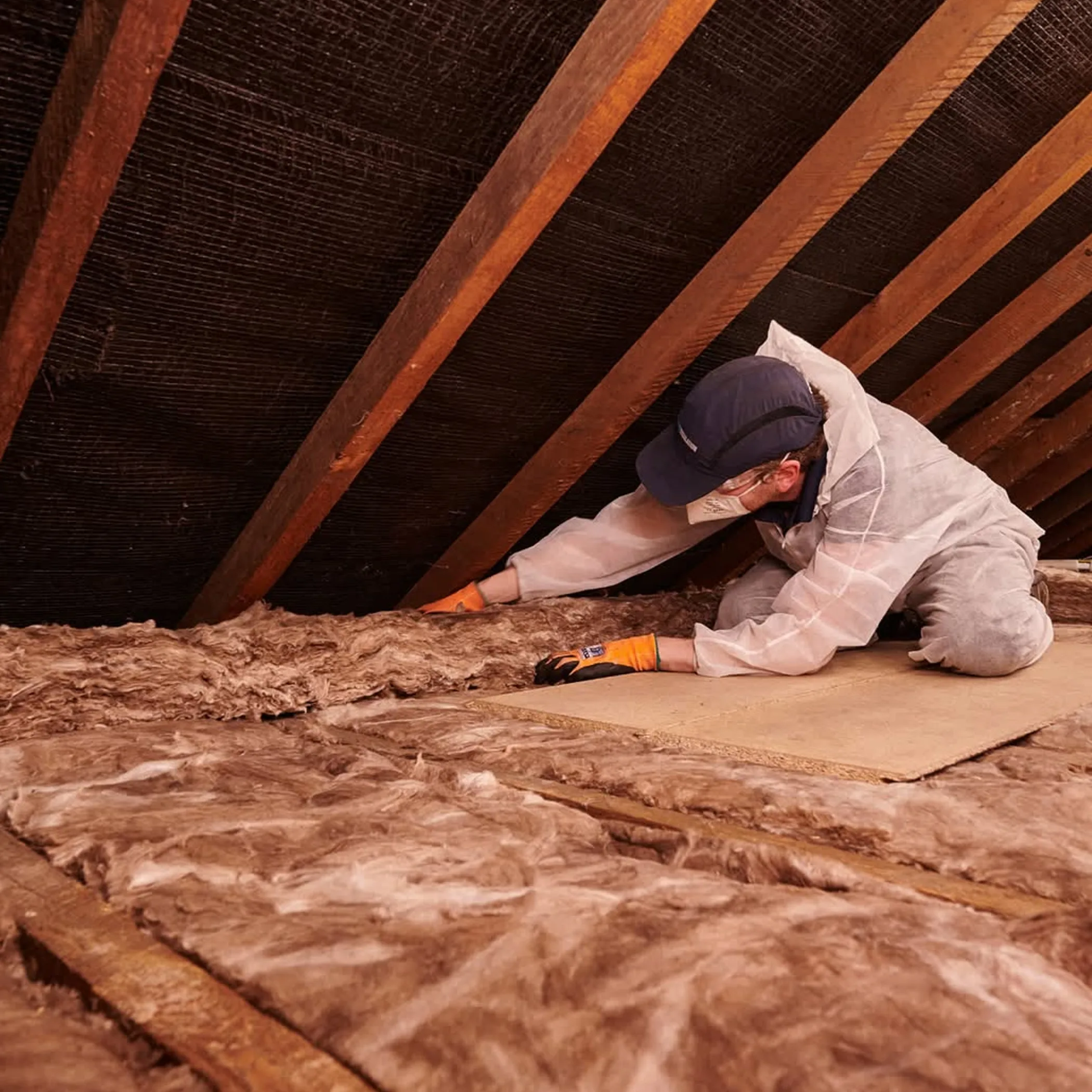
To save on hot water energy in winter you must maintain the equipment and see that the system is a fit for the household. Heat pumps and solar are worth your attention but they do not obviate the need for sensible sizing and safe installation.
Begin with the free measures: check the system for access, put in repairs, time your shower and so on. Make some practical decisions and compare the costs before you upgrade. In this way you can have a warm and dependable shower without the surprises and keep down the kind of winter bills an Australian household is prone to.
