Do it before you are out the door and you will be coming back to a quiet house, not a flooded laundry. The way to go about it is to shut the main supply, drain any pipework that is at risk, insulate what is exposed and make sure the indoor temperature does not drop below freezing.
Australian winters can be quite different from one place to another. You might have damp mornings and cold floors in a Fremantle terrace but in alpine Victoria, inland Tasmania, regional New South Wales or some elevated areas of Queensland the conditions will be freezing. And even in parts where a burst pipe is rare, an uninsulated roof cavity or a draughty garage can take the homeowner by surprise during a cold snap. Isadora Fletcher has put together this guide to show how to winterise your plumbing with some straightforward measures.
Have A Plan Before You Go
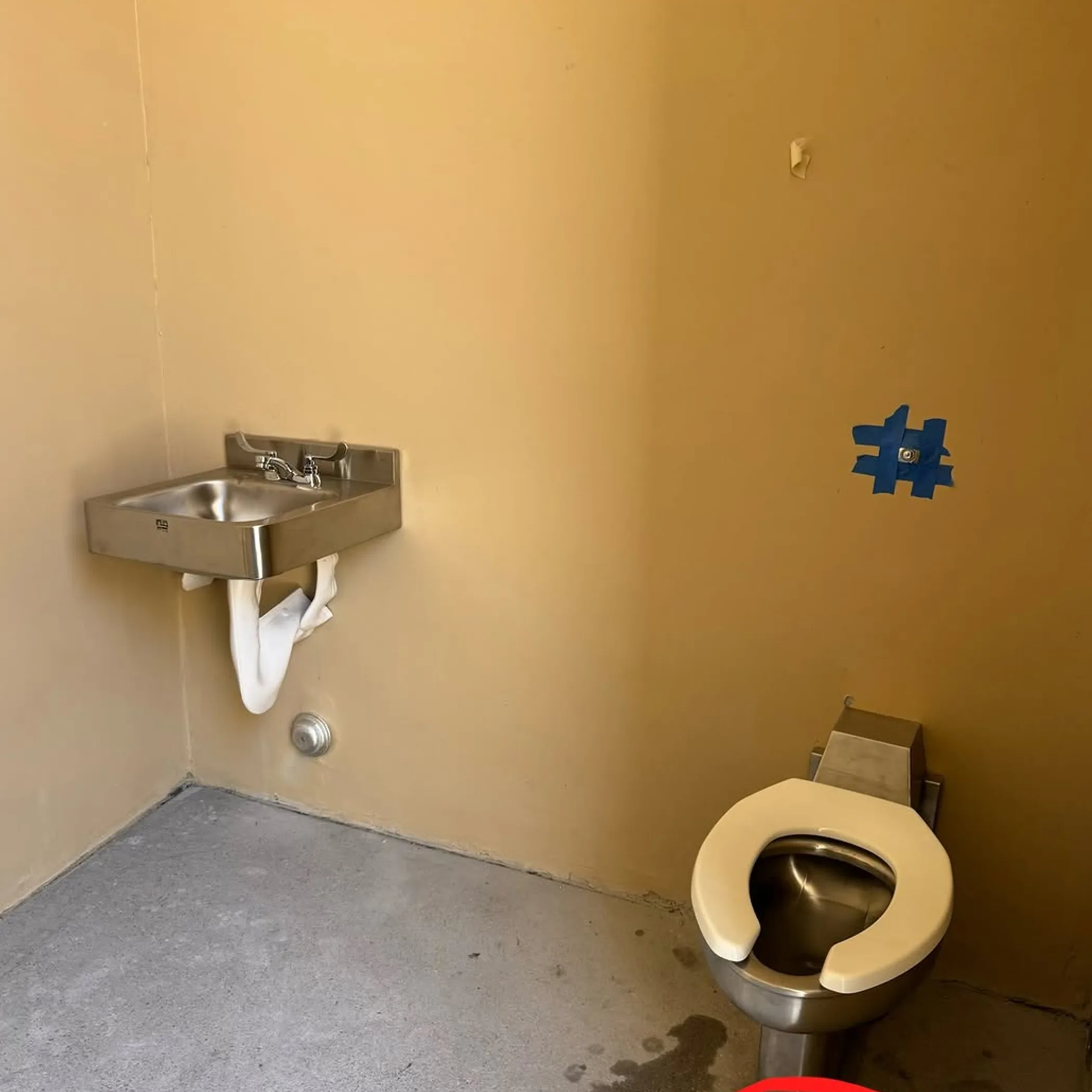
A bit of organisation on the part of the homeowner will keep a minor leak from turning into serious water damage. Make time to inspect those overlooked corners of the house once the suitcase is done and test the valves, including when preventing winter pipe bursts.
For a small home 30 to 60 minutes should suffice for a check over. But if the property is large, has an irrigation system or is in a cold inland locale, put aside a few hours. There is no point in rushing with one shoe on and the passport in hand; that is when you miss a tap.
Find Where It Is Cold
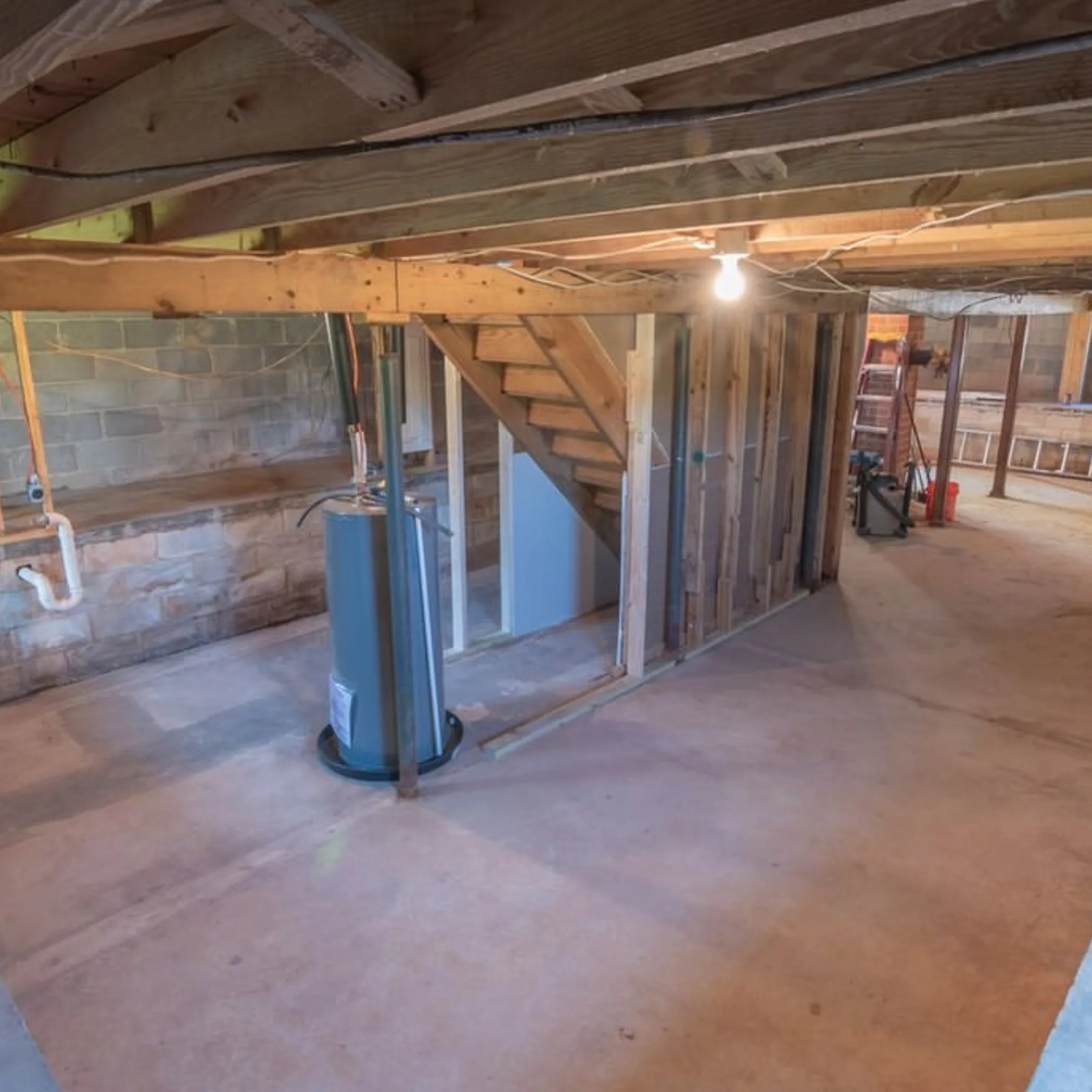
Make a circuit of the unheated rooms, the garage, laundry, under-house and external cupboards as well as the roof cavity. Any pipes in the vicinity of windows, vents or outside walls are going to lose their heat quicker than in the middle of the house.
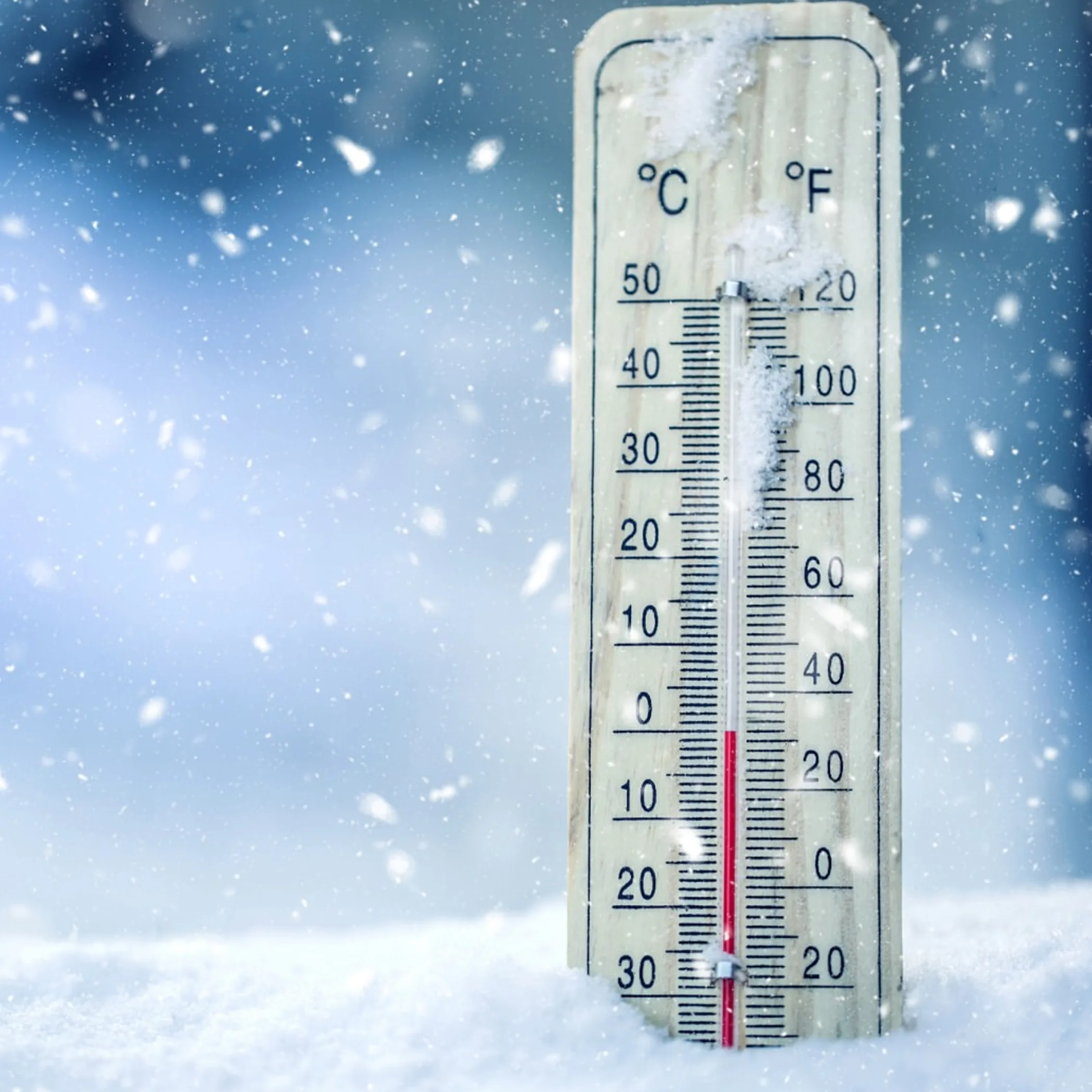
Freezing water will expand by about 9 per cent, enough to split a PVC pipe or cause metal joints to give way. The ice can obstruct the pipe and the pressure against a closed tap will do its work on a weak spot you cannot see. This expansion and resulting damage are well explained in the water freezing impact overview.
The Australian Bureau of Meteorology weather information is worth a look before you head out. While a forecast is no guarantee against every plumbing issue, it will put you on notice of a cold spell and you can adjust your preparations accordingly.
Where Is The Main Valve?
It is something every homeowner should know. If a pipe goes while you are away, cutting the supply will contain the water.
You will usually find the valve close to the water meter at the front boundary or by the driveway, or where the supply comes into the building. In townhouses and apartments there is often an individual isolation valve in addition to one for the building; the strata manager or landlord can advise.
Put The Shut-Off To The Test
Work the valve clockwise and let it come to a stop. Resist the urge to use pliers on a stiff one, you could harm the pipework. Once it is off, put a cold tap on inside and let it run down, then turn it off.
Note the location in your departure plans and get a good photo of the valve. Put in writing for whoever is to check the house where the valve and water meter are and have a licensed plumber’s number to hand.
Should you find the valve is immovable or leaking, or you are in any doubt, get some help before you travel. An inoperable valve in an emergency is as good as a torch without batteries.
Drain Down The System
This is a good idea for homes in places where it may get to 0°C or lower, as it leaves less water in the vulnerable parts of the plumbing. But only attempt to drain the system if you are familiar with the layout and can do it safely; complex hot-water set ups, pumps or backflow protection call for a professional.
Release Pressure In Stages
With the main valve off, open the cold taps at both the top and bottom of the house and let them run dry. A flush of the toilet is fine but do not keep at it if the cistern is not refilling. Give the outdoor taps a quick opening too if they are on the house supply. Draining will help but do not expect it to be thorough, some water in a low lying section of pipe is hard to dislodge. A dry kitchen tap is no reason to think the pipes are empty.
Take care of the water heater. With a storage system one must adhere to the manufacturer’s instructions prior to turning off the gas or power. Under no circumstances should a storage water heater be drained with an energised heating element. Restoring power to an electric system before the tank has filled will do damage. As for gas appliances, isolate them in the manner prescribed by the maker. When in any doubt, put the water heater on a safe setting and let it run until a licensed plumber can be consulted.
Insulate Where Pipes Are Vulnerable
To stem the loss of heat and ward off a freeze, insulate the pipework. This is particularly important for exposed runs, those next to an external wall or in unheated spaces. Make sure the pipe insulation is of the right size and fits snugly. Do not crush it when sealing a join at the joins. One tends to focus on the straight sections, but give some thought to covering the bends, valves and fittings as well.
Put An End To Drafts But Do Not Impede Ventilation
Where cold air is making its way directly onto pipes through service penetrations, windows or doors, seal up the gap. Required vents and drainage ventilation are another matter; do not obstruct them nor any combustion-air openings. There is little value in a room that is warm but unsafe.
In places where it is very cold, an approved heat tape will see to the temperature of the pipe. See to it the product is right for the location and material, and if there is PVC involved, check for compatibility. The manufacturer’s word is law; do not shroud the tape in materials he does not sanction and never use an ordinary electrical lead in place of proper equipment.
Pipe insulation is not a source of heat, yet most would have you believe it is. It is a stopgap measure. Should the ambient temperature stay under freezing for long, the pipes will freeze all the same.
Outdoor Water Connections
Wind, the cold and contact with hard surfaces are what outdoor irrigation systems and taps have to contend with. A little preparation goes a long way to avoid a fitting giving way and leaking under a path or behind a wall. Isolate the outside taps at the valve if there is one and put the hoses away. After draining a hose for the shed or garage, take out the splitters, timers and spray guns so water does not get trapped and freeze in them.
Irrigation And Pool Lines
Do not put a problem under mulch and wish it would go away. Some irrigation set ups call for the controller to be put in a certain mode or low-point drains used, others want the individual isolation valves shut; the manufacturer will tell you.
Pool plumbing is best left to its own requirements. Draining the pool because of a winter departure is not called for. Go over the heating, filtration and circulation details and have someone you can rely on keep an eye on things if need be.
Then there is the Top End and tropical parts of northern Australia. Winter here is more of a dry season than a time for the cold. But sun and brittle fittings can still be the undoing of outdoor plumbing. Prepare for the climate of the area, not some generic snowfield checklist.
Indoor Temperatures
A home subject to severe cold will have frozen pipes if the indoor temperature is not kept steady. This is also good for the house and its contents in terms of damp and condensation. Put the thermostat on a conservative setting above freezing, particularly with pipes in the roof cavity, an exterior cupboard or the like. What is suitable in Celsius for one Australian dwelling may not be for another given the building materials, wind and local weather.
On an unseasonably cold day open the cupboards under the sink to let some of the room’s warmth get to the plumbing against the wall. Internal doors can be left open provided the room is secure from pets or anything else of value.
The 135 Rule
There is much talk of the “135 rule” in cold weather, a popular adage for keeping the house at 13°C, a tap running and cupboard doors ajar. But it is not an Australian standard. In some homes it might be of use, though it is no substitute for shutting off and draining the more vulnerable of your plumbing. A running tap is wasteful and will not serve every branch of the system, and is out of the question once the supply is isolated. Let professional advice and the conditions on the ground be your guide rather than any notion that 135 is a magic number.
Choose The Right Departure Method
One size does not fit all when it comes to winterising a property’s plumbing. For an idea of where to begin, the table below is a sound guide that takes into account the home’s layout, its exposure to the elements and the length of time it will be left alone.
| Home Situation | Best Preparation | Extra Check |
|---|---|---|
| Coastal home in a mild winter | Secure outdoor taps, shut off supply and look for leaks | Water heater and damp spots |
| Inland home in a cold snap | Insulate any exposed pipes, drain what is vulnerable and shut off | Keep the indoor temperature at a safe level |
| Alpine or frost-prone | Have a professional put the whole system through its winterisation | Make sure you have heating, power and emergency access |
| Apartment/townhouse | Isolate with the individual valve if allowed | Adhere to strata or building protocols |
| Irrigation or pumps on the premises | Follow instructions to isolate and drain equipment | Alarms and automatic timers |
Should one’s preparation be limited to a day, then the main water valve and any outdoor taps or pipes in unheated rooms should be made a priority, as well as visible leaks. But if the system is a complex one or there are burst pipes in the past, do not try some heroic operation on the kitchen floor; a call to a licensed plumber is better spent.
Dealing With A Frozen Or Burst Pipe
A return to find frozen pipes is no occasion for a blowtorch, naked flame or make-shift heater. The quick heat risks a fire, damages the pipework or an abrupt change in pressure.
Shut the main water off to start with, provided it has not been done already. If there is standing water, cut the electricity in the vicinity but only from a position of safety. Put in a call to an emergency plumber and ensure no one is in areas that are slippery or pose an electrical hazard. Be on the lookout for water spraying, bulging or cracking, dampness, a loss of pressure or odd odours.
- Do not so much as put a cold tap on until the supply is isolated and a plumber gives the word.
- Get photographs of the damage and put in with your home insurer without delay after moving any valuables out of harm’s way.
- A pipe might thaw without breaking, but that is no guarantee it is in good order; once the pressure is back a crack will leak.
Put the water back on in a measured way and go over every joint and cupboard you can get to, as well as walls and ceilings.
When a cold snap is in full swing an emergency plumber may be hard to come by. It is advisable to leave written directions for the alarm system, water heater and main valve with a neighbour you trust, along with a key. See that nothing from a pile of laundry to boxes gets in the way of getting to the valve.
The Final Checklist
Before you head out run through this list. If a severe weather warning is issued, have your house-sitter or a neighbour do the same for the more obvious items. When you are away for any length of time a second opinion is worth having.
- See what the forecast has in store for freezing conditions.
- Make sure the main shut-off is in working order.
- Note down where the water meter, the valve and an emergency plumber can be found.
- For leaks check the dishwashers, washing-machine hoses, sinks, toilets and any joints in plain view.
- If the circumstances of the property and your absence warrant it, turn off the water.
- Drain the taps and any weak points in the piping, being careful not to put the water heater or other appliances at risk.
- Any exposed pipes should be insulated and cold drafts sealed, but do not impede ventilation.
- Put the hoses away after disconnecting and draining them and shut the outside taps.
- Give the irrigation, pumps, water heaters and any automatic timers a once over.
- For the one who will be in charge of the home, put in place clear directions and an indoor temperature that is safe.
- Make sure you are in compliance with home insurance for an unoccupied property.
Policies often have stipulations for when you are away for some time, be it to have heating in place or to make regular inspections. If the fine print of your policy is not self evident, have a word with your insurer.
As for the cost of getting plumbing ready for winter in AUD there is no hard and fast figure. A thorough drain-down or an emergency call-out is another matter altogether and will be dictated by the location and the property, whereas a cursory inspection is modest. Obtain a quote in writing for anything that is not urgent.
Frequently Asked Questions
We have put together answers to the questions that tend to trip up homeowners. In most cases sensible preparation is all that is required, as opposed to panic and a hairdryer.
How To Prevent Pipes From Bursting In The Cold?
Where it makes sense to do so, turn off the main supply, insulate what is exposed and put a stop to drafts. All vulnerable pipework should be drained and a safe temperature kept inside. Garages, roof cavities, external walls, crawl spaces and any outdoor connections need particular attention to keep them from freezing. In a frosty part of town, have a licensed plumber winterise the system.
The 135 Rule For Plumbing?
It is a handy way of being reminded to let a tap or two run and open cupboards to see to an indoor temperature of about 13°C in freezing conditions. Do not mistake it for an Australian regulation or any sort of safeguard against burst pipes. It is general guidance; otherwise adhere to what your insurer and appliances demand.
At 0°C How Long Before PVC Pipes Freeze?
One cannot put a reliable time on it. The size of the pipe, whether it is insulated, wind, the air around it and water movement will all play a part. An uninsulated small pipe at 0°C will be quicker to freeze than a large one but a forecast of 0°C is not a given that they will all go.
Will Frozen Pipes Thaw?
They will if the temperature does, but do not assume they are in good shape after they have. Put pressure back on only after looking for any cracks or leaks. A naked flame is out of the question; employ gentle warmth where it is safe to do so or ring an emergency plumber.
Is It Necessary To Shut Off The Water Prior To A Trip?
Not in every instance. While it can mitigate damage, certain homes need the water for their heating or fire protection. There may be rules for apartments or more involved plumbing set by the building. Seek professional counsel and review your insurance before making a decision.
A Dry House To Leave Behind
It is a matter of common sense: make the plumbing easy to keep an eye on, check the vulnerable spots and limit the water on hand to slow heat loss. Take the time for a few checks before you go and you will not have to make a frantic phone call from a baggage carousel because of burst pipes and a floor that has been ruined.
Isadora Fletcher would have you find the main valve and put a label on it today. Test it and see that someone else is aware of its whereabouts. Her advice is not much to look at but it is sound. With proper forethought there is no need for drama in the winter, your home will be fine while you are away.
