There is a simple fact to be had when it comes to infection control and hygiene standards for skin penetration in Australia: any service that breaks the skin obliges the operator to forestall infection, deal with contamination in an orderly fashion and abide by the laws of their state or territory. Put another way, you will find clean premises, hand hygiene that is not compromised, PPE used as it should be, safe disposal of waste and sharps, and all reusable instruments coming into contact with blood or sterile tissue have been sterilised.
For those who book with or are employed by a tattoo or piercing studio, a cosmetic tattoo clinic or beauty service of a similar nature, consider this guide your rule book in plain English. I am Isadora Fletcher. One has to read between the lines of consultation notes and field the questions of the nervous client in a treatment room to understand that proper hygiene ought to be unremarkably consistent rather than something one makes up as the day goes along.
What Qualifies As Skin Penetration
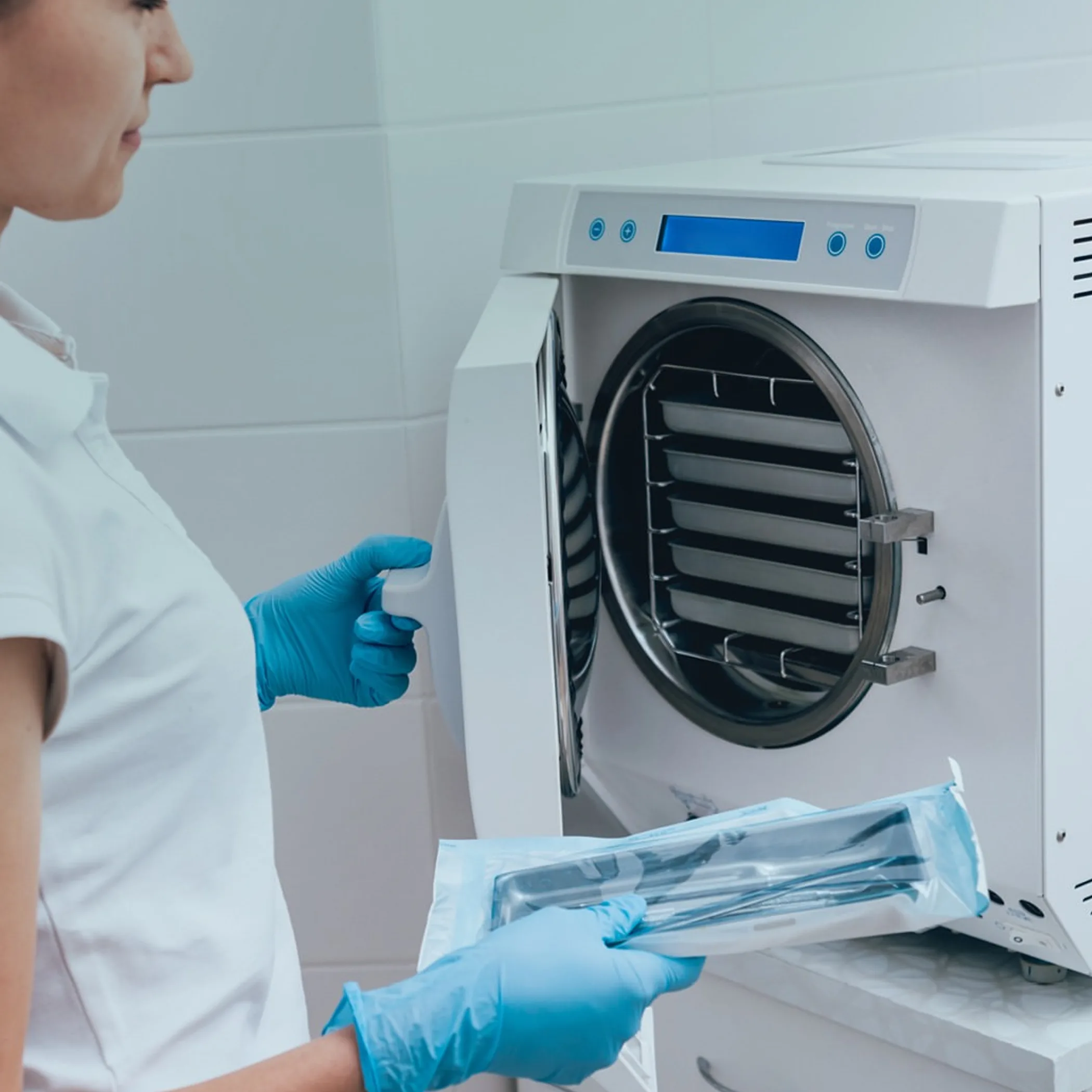
It may sound like technicalities but the premise is straightforward. An instrument that cuts, punctures or pierces the skin means the body’s barrier is gone and infection control standards have to be observed. While most put it down to the big tattoo studios, the category is broader. In Australia it can mean anything from tattooing and body piercing to cosmetic work, microneedling and other beauty procedures where equipment is introduced to the skin.
Included Services
Included are such things as permanent makeup, scalp micropigmentation and aesthetic treatments with needles or blades. The scope is important since some of these services in certain jurisdictions are governed by personal appearance or local council legislation, making checking state regulations essential.
Do not be fooled into thinking a “small” service carries little risk; poor hygiene systems will make a single lancet in a modest room as much of an infection vector as a larger operation in a well kitted out flash studio.
The Importance Of Infection Control
Standards are in place to cut down on cross-contamination, occupational exposure and the transmission of blood-borne viruses, not merely so a bench can be wiped at close of business. A client will go for the ambience first, but regulators are after process. The sensible operator has regard for both, yet health protection is what counts. You can have a lovely reception but if the way instruments are handled out back is rough, it is of no consequence.
Hazards That Are No Joke
When it comes to infection prevention there are hazards to contend with: bacteria, fungi, surfaces and waste that is not dealt with safely. Blood-borne viruses are of particular import given how easily they can be transmitted through ill handling of gloves, instruments or sharps. Safe Work Australia would tell you that in healthcare and the like, needlestick and sharps injuries are an acknowledged occupational hazard. Their guidance on workplace health and safety risks is pertinent to any skin penetration business making use of blades and needles.
Reality Check
Gloves are supposed to be the answer, but in reality they are only a barrier; leave them on too long and they are as good as dirty hands for spreading contamination. I have seen it done enough in salons and clinics to know it is a frequent error. Then there is the notion that if it looks clean it is safe. It is not. There is a difference in purpose between cleaning, disinfection and sterilisation and to conflate them is to put staff and clients in harm’s way.
Standards Worth Adhering To
To get to grips with what the law requires across Australia, look at the systems that are in place every day. The statutes vary from one state to the next but in practice the backbone is the same. A competent operator does not put it to memory when the room is full but puts stock in written procedure, checks and training.
Compliance In A Day
For a beauty salon or any business in the skin penetration trade, infection control is about the basics: operator and hand hygiene, environmental cleaning, PPE, the right equipment (sterile or disinfected) and the correct way to dispose of sharps and single-use items. The premises should be fit for a clean workflow, with fittings and surfaces that can be properly put to rights.
| Area | Good Practice in Action | Where Things Go Amiss |
|---|---|---|
| Hand Hygiene | Hands are to be washed on either side of a client contact, once gloves are off and after any contaminated object has been handled. | Handwashing is bypassed in favour of putting on a pair of gloves. |
| Reusable Instruments | A good cleaning followed by sterilisation in an autoclave that has been validated, if the instrument demands it. | An item is put through its paces with a wipe or a soak and called good enough. |
| Single-Use Items | Discarded as soon as the treatment is over. | Put aside for later on the grounds it was only in contact with clean skin. |
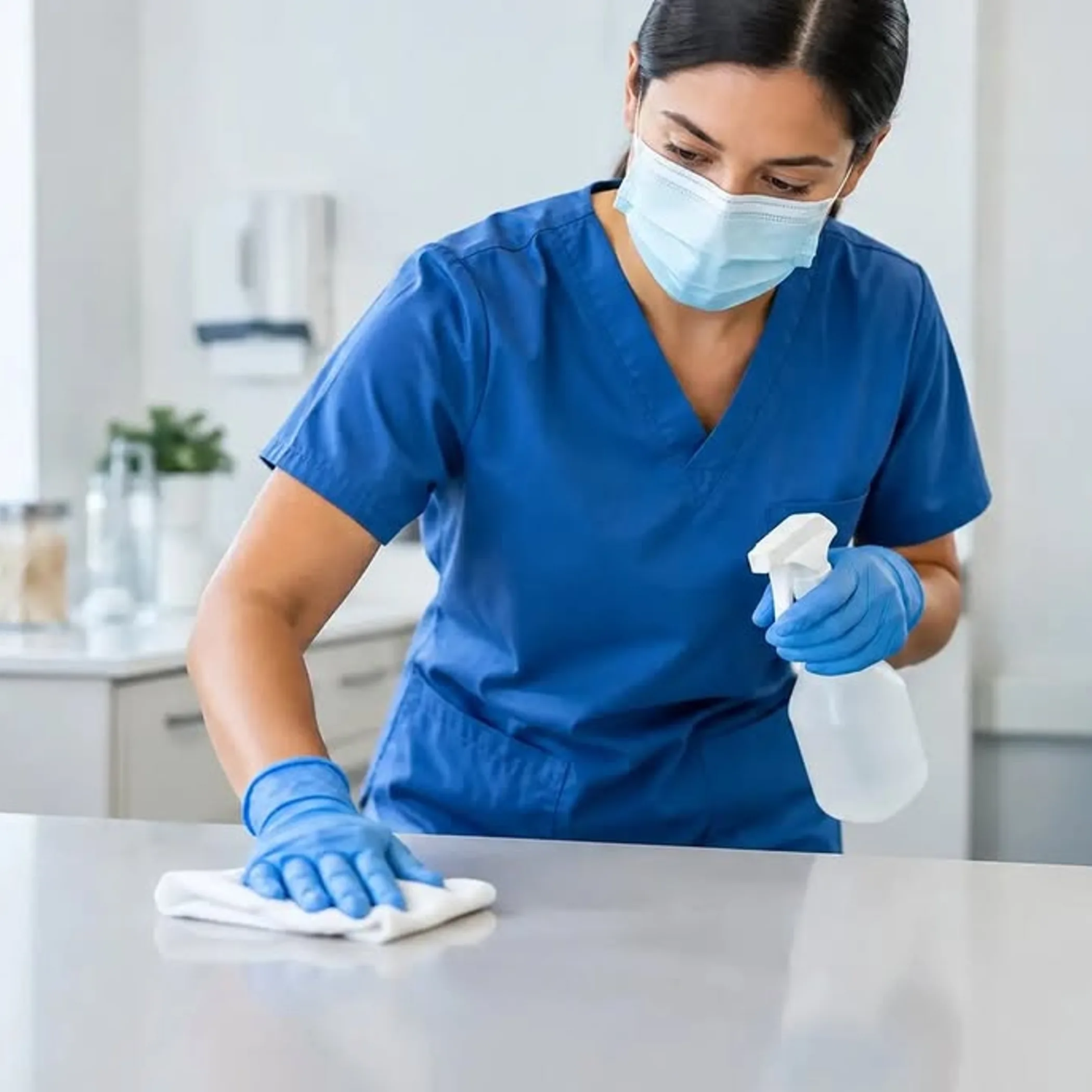
| Environmental Cleaning | Disinfecting and cleaning work surfaces from one client to the next. | A spray and a wave of the cloth with little contact time. |
| Sharps Disposal | Put in an approved container right where you are using them. | Recapping a needle by hand or leaving it on a tray. |
| Record Keeping | Have your incident, maintenance, cleaning and steriliser logs in order. | Nothing in writing to show at an inspection. |
Cleaning, Disinfection And Sterilisation
One can see why some businesses make a muddle of this. The terminology is close but not the same, and regulators will not have it otherwise.
I was struck by it when I first came to work in Australian treatment rooms: how “sterile” was bandied about for something that was merely fresh or had not been used. They are not synonymous and the distinction is important.
Make No Mistake
To clean is to get rid of organic matter, residue and what is visible to the eye. A disinfectant will put down the infectious microorganisms on a surface yet not every microbial form is killed. Then there is sterilisation, the most exacting of processes, meant to put an end to all microbial life, bacterial spores included.
Businesses that do skin penetration will find their reusable instruments, anything that comes into contact with blood or sterile tissue or goes through the skin, must be cleaned before being put in an autoclave for sterilisation. You do not sterilise dirt; the residue stands in the way.
The Autoclave
For the sterilisation of reusables an autoclave is the tool of choice, employing steam under pressure. But having one does not suffice; there must be documentation to prove it is being maintained and put to use as it should be. Correct loading and cycle selection and monitoring are all part of it.
Too often the pre-cleaning is left out or the chamber is overpacked. It is like being taken aback to find the centre of a stack of beach towels still damp after you have put them in the drier in winter.
On PPE and Hand Hygiene
You could call hand hygiene the unsung hero in the prevention of infection. It is also easy to put on a good show while not really adhering to the standard, so routine is what counts.
Personal protective equipment is of no help unless it is suited to the task and changed as it ought to be. Wearing the same gloves for the whole room is cross-contamination done with a lot of confidence.
When to Clean
Before a client is touched, or a task of an aseptic nature, after any risk of exposure to body substances, and again after touching the client or his environment. With skin penetration work that means a clean up before you set up and put on gloves, after you take them off, and after you have been in contact with waste or a phone or payment device in the course of the procedure.
Protective Equipment
What one puts on will be dictated by the procedure and any splash risk: an apron, mask, eye protection, gloves. In Australia the standards for tattoo and body piercing hygiene are in support of barrier protection against blood or body substances.
The operator’s own hygiene is a factor in safer work practice. Nails should be short and clean, hair tied back, skin breaks covered and hand jewellery that would impede a proper clean is to be eschewed.
Waste and Single-Use
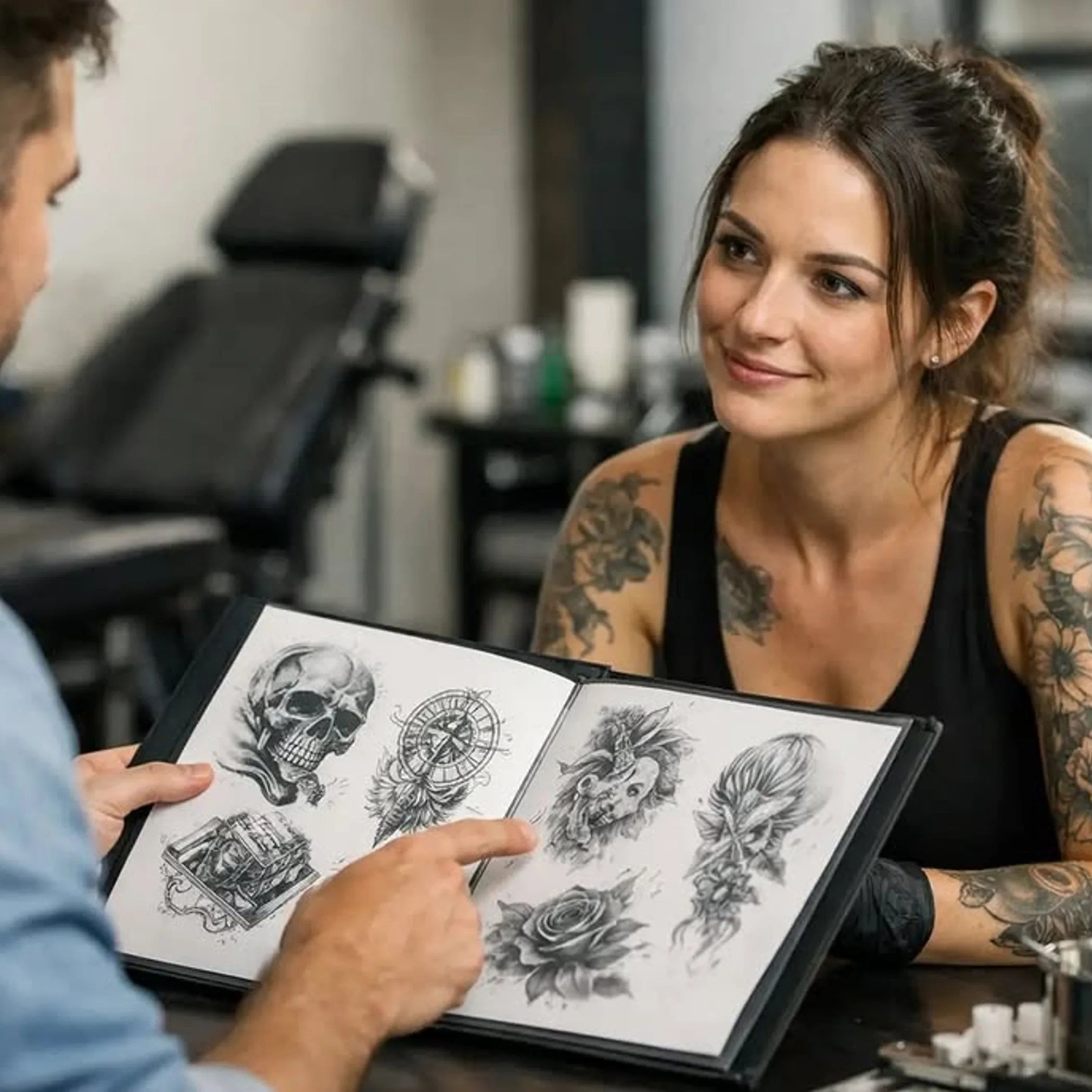
Nobody is keen on this part of things until there is a problem and they want to know who had hold of the needle and what made the waste stream such a mess.
If it is single-use it is not to be saved for the next shift or client because the tray was tidy. Once you are done with it, it is finished.
Proper Handling of Sharps
From the moment of setup to disposal needles and blades are to be regarded as sharps. Keep the approved containers within reach of the treatment area for immediate disposal. Do not pass items hand to hand and leave manual recapping alone, it is an invitation to injury.
Clinical Waste
This covers regulated disposable procedure waste and the like, anything blood-soiled for instance. There are differences between contractors and jurisdictions as to how it is disposed of, but a business has to have its clinical waste, general waste and sharps separated properly.
- A sterile single-use item is for one use only and is to be thrown out after the procedure.
- An approved sharps container at the point of use is where sharps should be put.
- Clinical and general waste must be kept apart; make provision for a licensed collector if the situation calls for it.
- Do not let waste containers get overfull, change them out in good time.
- Any needlestick or exposure is to be recorded without delay and the proper response procedures followed.
Early Prevention of Cross-Contamination
It is small habits that lead to cross-contamination rather than any kind of disaster. A hand in a glove makes contact with a drawer and is back in the treatment field. One has been in contact with used equipment and then is on a bottle. The phone comes into the room and nothing is beyond suspicion.
In consultations I have seen, the best rooms are seldom the ones with the most style. They are the ones in which the operator has put some thought into the sequence prior to the client taking a seat.
A Clean Workflow
Before you begin a procedure have your products and instruments ready. Make sure there is a division between contaminated and clean areas. Put up barriers on things like the lamp handle, machine cords, spray bottles and the bed of the treatment table. These surfaces and the barriers need to be done over between clients.
Exposure Incidents
When an occupational exposure occurs, be it a blood splash or injury from a sharp, one does not have time to improvise while others are in a quiet panic. First aid, risk assessment, medical advice, reporting and documentation as per workplace protocol are called for and should be put in writing.
The same applies to aftercare for the client: instructions have to be straightforward. Be specific on wound care, what normal healing is, signs of infection and when medical attention is warranted. There is no value in being vague.
Premises And Training Records
You can tell if a system is sound by the documentation. If you have no proof of what was cleaned, reported, sterilised, maintained or taught then meeting the standard is difficult to demonstrate.
Requirements for skin penetration premises are more important than is often supposed. Infection control is about the room itself, its design and upkeep, long before an instrument is opened.
Mandatory Records
There should be systems in place to account for steriliser cycles, staff training, cleaning, maintenance and validation, incident reports, product batch information, waste collection and, where professional standards or the law demand it, client consent and treatment notes.
Hygienic Premises
One would expect suitable premises to have adequate space for workflow, smooth surfaces that can be cleaned, handwashing facilities, safe storage for both clean and soiled stock, pest control and lighting. Health departments of the state or territory and local councils will have their own fit-out or registration demands.
New operators are apt to put a lot of money into décor and little into workflow. A marble counter is no substitute for a treatment room where you cannot wash your hands properly or put some distance between your instruments and the clean stock.
State Regulations
Whether your operation is mobile or of modest size, this is not something to overlook. Australia does not have a single national licence for skin penetration regulations so you have to consider the legislation of the state or territory, public health unit guidance and council rules.
National principles of infection control will inform your work but enforcement and approvals are a matter for the council, state or territory. It is only sensible to check state regulations in the course of setting up, doing an annual review or introducing a service.
First Port of Call
Your local council and the relevant state or territory health department. For some there will be a question of compliance with laws pertaining to personal appearance services, waste management, premises and operator obligations, or even registration. For infection prevention in Australia one looks to the National Health and Medical Research Council and the Australian Commission on Safety and Quality in Health Care as key authorities. Yet when it comes to the running of a skin penetration business, enforcement is in the hands of local, state and territory bodies, not some national inspector with impeccable timing and a clipboard.
You are opening soon
With a pre-opening review or fit-out decision only a day away, put your energies into the essentials: the workflow in the treatment room, handwashing facilities, how instruments are processed and waste contracts. These will have the most bearing on safe operation and compliance; you can leave the fancy shelving for another time.
Do not be a beginner about this in the sense of putting off the hygiene side to learn later. The technical service and infection control system have to be put in place at the outset, together.
- Make sure you know what type of service you are providing and if your jurisdiction classifies it as skin penetration.
- Reach out to the public health unit and your council before you put up the open sign or alter services.
- You must document incident response, sterilisation, disinfection and cleaning.
- Your autoclave, sharps disposal, clinical and reusable instrument systems all need checking.
- And staff training and record keeping should be part of a regular compliance review.
Frequently Asked Questions
Clients and operators tend to put these to us, typically after they have found the simple answer is not the complete one. One can understand that; infection control has a way of appearing deceptively simple until the details are examined.
What are the requirements for skin penetration services?
One would expect to see in place proper hand hygiene, the right PPE, safe protocols for single-use and reusables, cleaning and where necessary disinfection and sterilisation, and disposal of sharps and clinical waste. All of this has to square with local council and state/territory law.
And for a tattoo or piercing business?
The operator is expected to have a clean shop, wash hands, don gloves and other PPE as the risk dictates, use sterile equipment, and see to the disinfection of surfaces between clients so there is no cross-contamination. Aftercare advice must be sound. While the nomenclature of body piercing and tattoo standards may differ from one jurisdiction to the next in Australia, the practicalities are much the same.
Is sterilisation a must for the instruments?
Where an instrument is meant to be reused and will come in contact with blood or sterile tissue or penetrate the skin, yes, once it has been properly cleaned. A wipe down or low-level disinfection will not do for critical instruments. Single-use items are not to be used again. The specifics may vary with the service.
How does one distinguish cleaning from disinfection or sterilisation?
They are not the same thing. Cleaning is to get rid of organic matter and dirt. Disinfection puts the numbers of infectious microorganisms on a surface down. Sterilisation obliterates them altogether.
Are state and council regulations something to be observed?
In Australia this is a major point of compliance. Between the local council and the state and territory health departments, and occasionally a public health unit, they are involved in everything from approvals and premises to enforcement. Check your legal standing first.
A word to the wise
Hygiene in skin penetration is not a matter of putting on a show. It is having dependable systems in the room, with the operator and the records, to look after the client and the business. The best businesses are not the ones making the most noise over their hygiene. They are the ones where things are run in an organised, repeatable fashion, and in the nicest sense of the word, a bit boring. In this line of work, that is often as good as it gets.
